Looking after a chimney comes down to a few ideas that are easy to grasp once someone lays them out. Every answer below leads with the point and then gives the reasoning, so you can read one or all of them. It is written for anyone in Surrey who arrived after searching “chimney inspection services” and wants to understand chimney inspection well enough to ask good questions and spot a vague answer.
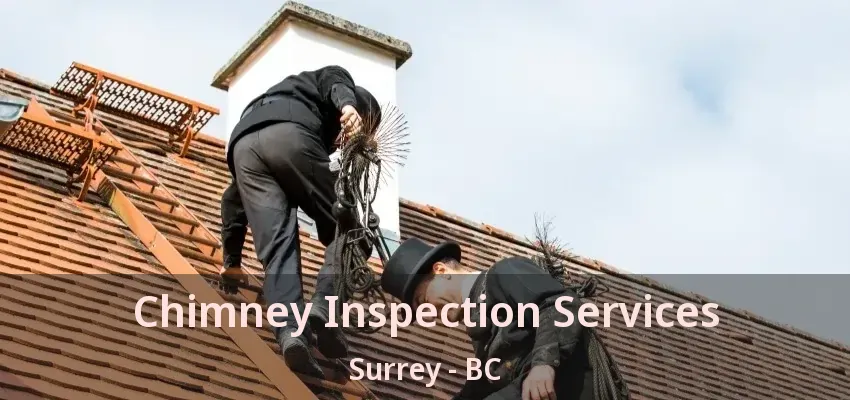
Soot and creosote are different deposits: soot is a dry, powdery carbon dust, while creosote is a tarry residue from wood smoke that can be flaky, sticky or glassy. Soot comes from incomplete burning and can be left by wood, oil or a gas appliance that is not running cleanly. It is lighter and brushes away easily, but it still narrows the flue and can hold moisture and odors. Creosote is the bigger fire concern because of its oily base. Seen from the firebox, soot looks like fine black powder, while creosote looks crusty, shiny or tar-like. A technician adjusts the cleaning to match.
The obvious signs are noise, smoke and flames at the top, but the ones we look for are what a fire leaves behind. Creosote that has burned swells into a light, porous crust that looks a little like charcoal sponge. Clay tiles crack or shift, metal liners and caps can buckle or turn blue, and the mortar near the top may show heat damage. We sometimes find these marks in chimneys whose owners had no idea anything happened, because a slow fire can burn out on its own. That is why a camera inspection is the usual next step whenever there is any doubt about a past fire.
Smoke spills in when the draft is weaker than the push of the fire, and we usually trace it to one of a few causes. In tight, well-sealed houses, exhaust fans and dryers create enough suction that the chimney becomes an air intake instead of an exhaust. Short chimneys, nearby trees or a taller roofline beside the stack can disturb the airflow at the top. Inside the flue, heavy creosote, a nest or fallen debris narrows the path. Sometimes the fireplace opening is simply too large for the flue. Finding which one applies takes a look from both ends, and the fix ranges from a habit change to a repair.
During a chimney inspection, a technician examines the whole system for damage, buildup and safe operation, then explains what was found. Expect questions first: what you burn, how often and whether you have noticed smoke, smells or leaks. Most of the visit happens at the hearth and on the roof, with a camera sent up the flue to show the parts nobody can see from below. If a deeper inspection was booked, the technician may also ask to look in the attic, crawlspace or basement next to the chimney. You should finish with a clear verdict on whether the fireplace or stove is ready to use, plus photos of any problems.
A common guideline is to have a chimney inspected once a year and swept whenever that inspection finds meaningful buildup, which for a fireplace or stove used regularly usually means about once a year. Heavy users, such as households heating mainly with wood, may need sweeping more than once per season. A fireplace lit only a few times each winter may go longer between sweeps, yet it still benefits from the yearly look, because nests, water damage and cracks have nothing to do with how often you burn. Many sweeps regard about an eighth of an inch of buildup as the point where cleaning is due.
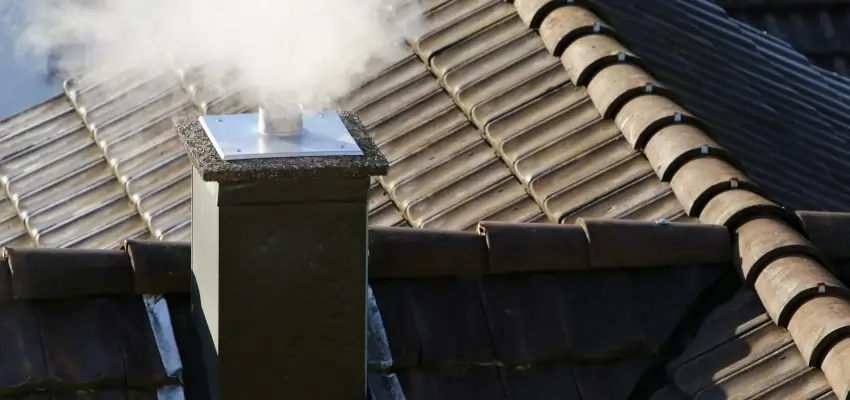
Preparation is similar to a sweep, with a few extras. Let the fireplace or stove cool completely, clear space in front of the hearth and make sure the roof can be reached. For a deeper inspection, the technician may also need to see the attic, crawlspace or basement areas next to the chimney, so clear a path to those hatches and doors and move stored boxes away. Have any paperwork about past repairs, liner installation or a previous chimney fire on hand. Telling the company these details when you book chimney inspection helps them plan the time needed.
We recommend CO alarms on every floor of every home we work in, including one near the bedrooms, because a chimney is a safety system and alarms are its backup. Even a well-swept flue can be blocked overnight by a nest or a fallen tile, and a fireplace can spill fumes when exhaust fans pull against it. We also suggest a smoke alarm in or near the room with the fireplace or stove, placed as its maker directs rather than right above the hearth, and a fire extinguisher within reach. If your alarms are older than anyone can remember, replacing them is a small job with a large payoff.
Yes, and most buyers and sellers want exactly that. A report prepared for a sale usually includes photos or video stills from inside the flue, a description of each component and a plain summary of what needs attention and how urgently. Ask whether the company can deliver it by email in time for your deadline and whether it will answer follow-up questions from the other party. If you are comparing “chimney inspection services” for a purchase, check that the inspection covers every flue and appliance, including any furnace or water heater flue sharing the same chimney.
A useful chimney report lists what was checked, the condition of each part and what the technician recommends, all in plain language. Expect the date, the type of appliance and flue, and notes on the cap, crown, flashing, liner, smoke chamber, damper and firebox. Photos or video stills should back up anything described as damaged. Recommendations are most helpful when they are ranked: what affects safety now, what should be planned soon and what to watch. Keep each report with your property records, since it helps when comparing repair quotes, tracking changes over the years and answering questions when you sell.

The weeks before heavy use are the calmest time to deal with your chimney. Appointments are easier to find and any repair can be planned without pressure. Book chimney inspection in Surrey while your calendar still has room.
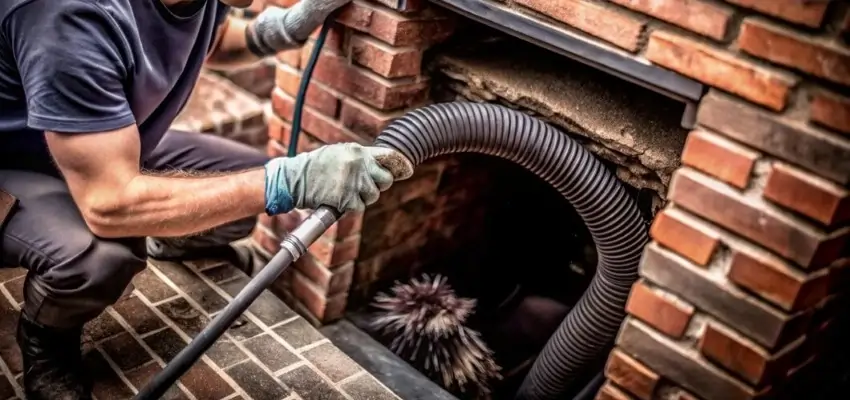
Surrey homeowners: Chimney Cleaning with drop cloths down
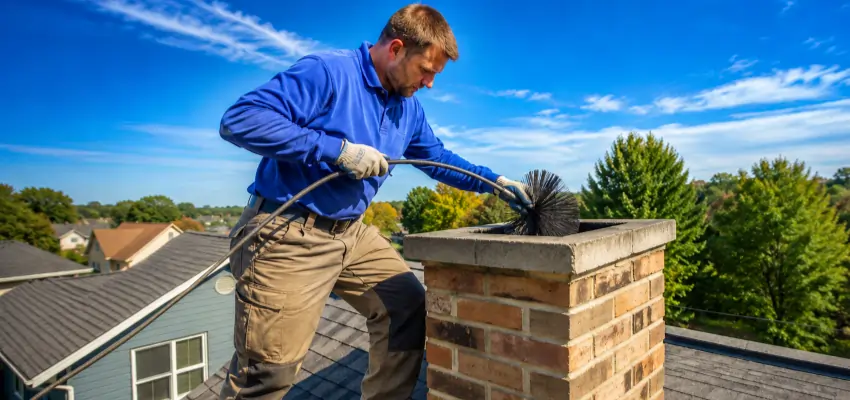
Flue brushed end to end: Chimney Sweep around Surrey
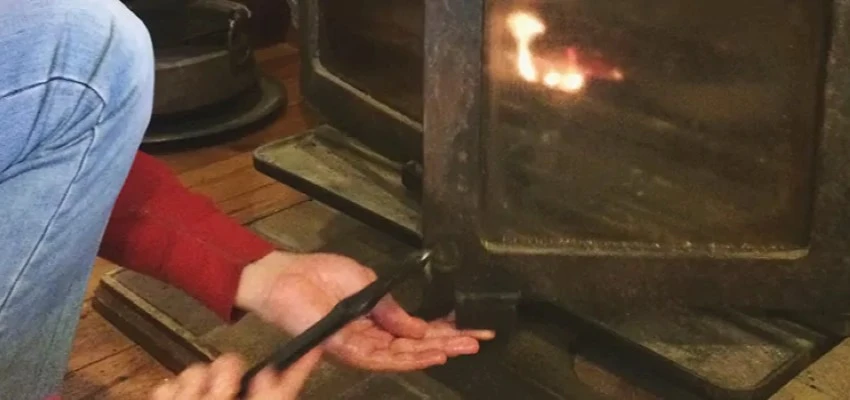
Smoky room or stuck damper? Chimney Sweep Services for Surrey
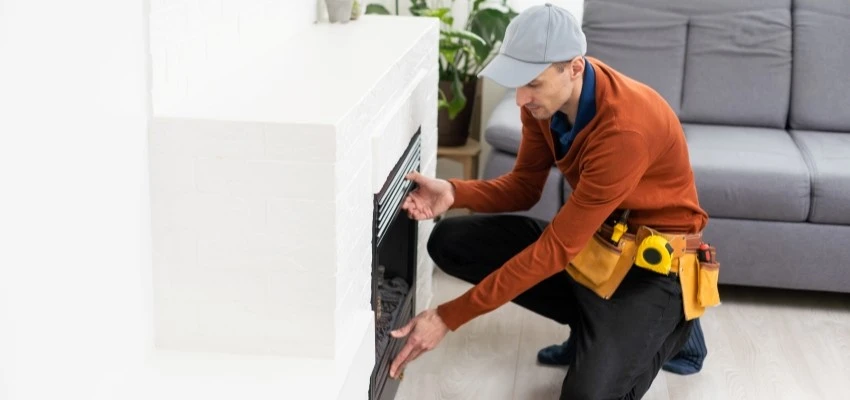
Wood units, stoves and inserts: Fireplace Experts serving Surrey
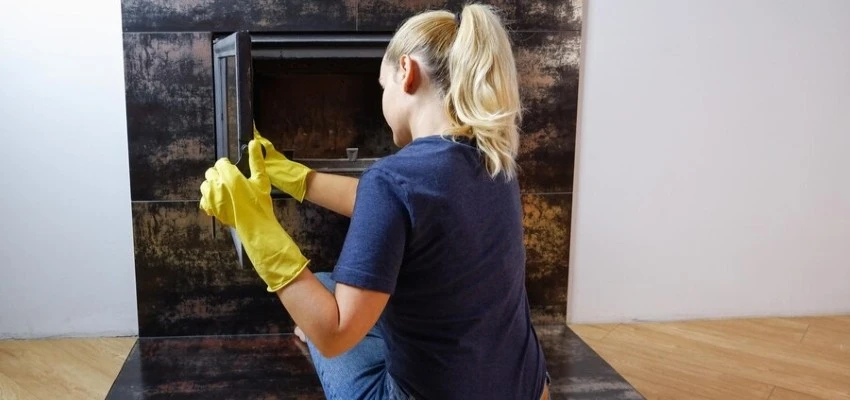
Glass film, cobwebs, dust: Gas Fireplace Cleaning across Surrey
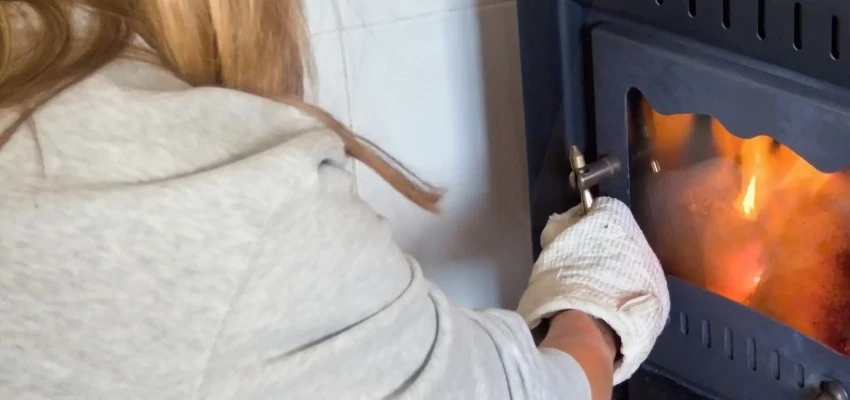
Gas Fireplace Maintenance: a checklist, not a quick wipe