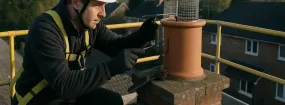
Houses change over time. Fireplaces get converted, rooms are added, roofs are replaced and old chimneys are left doing jobs they were never designed for. When that happens, a search for “chimney pot services” is a natural next step. Here you will find practical answers about chimney pot service for homes in Surrey, written to help you weigh your options calmly before you commit to anything or anyone climbs a ladder.
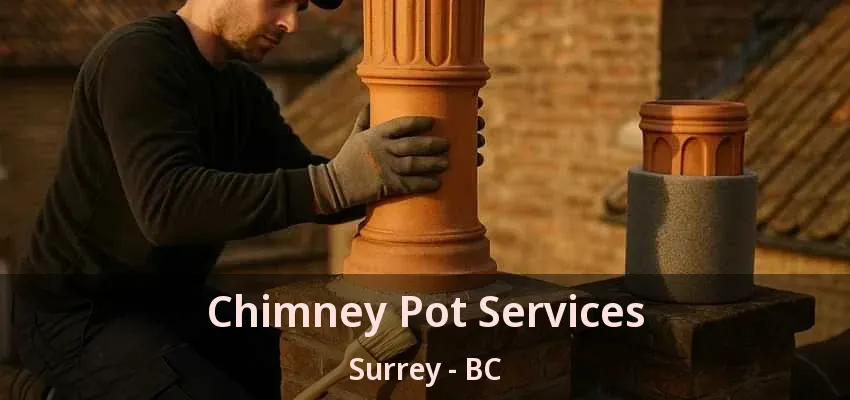
Pots earn their place on the roof in three ways: height, protection and style. A pot adds a little height to the flue, which can help a chimney that struggles to draw. It protects the end of the flue tile and the crown around it from direct weather. And on many older houses, the pots are part of the architecture, so replacing or restoring them keeps the look intact. What a pot does not do on its own is stop birds and squirrels, so we usually fit a guard or cap designed for that particular pot style.
We will not quote serious chimney work without looking first, and that is a fair test of any company. From the roof we check the top of the stack, the crown, pots and caps, the flashing and the brick or siding. Inside we run a camera up the flue to see tiles, joints and any liner. At the bottom we look at the damper, smoke chamber and firebox. That full picture keeps us from selling a cosmetic fix for a structural problem, or the reverse. You end up with a plan built on evidence, which is also the easiest kind to compare against another quote.
From the ground, look for a pot that leans, sits crooked on the chimney or has visible cracks, chips or missing pieces. Mortar crumbling around its base, bits of terracotta in the gutter or on the roof and a rattling sound on windy days are other clues. Inside, rain or debris in the fireplace can mean the pot’s guard or the crown below it has failed. A loose pot is a falling hazard, so keep people away from the area beneath it. If you are looking into “chimney pot services” because of any of these signs, ask for the crown and flue tile to be checked as well.
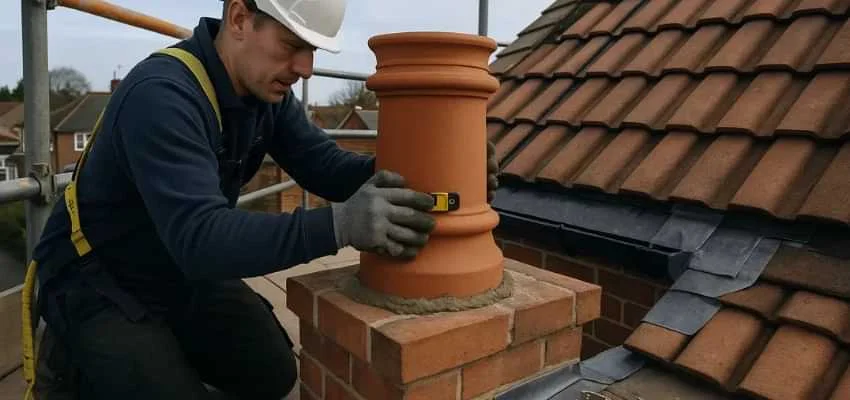
A chimney pot is installed by setting it over the flue, bedding it in mortar or a fitted base on the crown and securing it so wind cannot shift it. When an old pot is replaced, it is carefully removed first, along with any loose mortar, and the crown around it is checked and repaired if needed. The new pot is sized to the flue, set plumb and finished with a sloped mortar surround that sheds water. Tall pots may be strapped or anchored to the chimney. A cap or bird guard is usually added on top.
Our days follow a pattern: walk-through, setup, work, check, clean-up. The walk-through is a quick conversation to confirm what we are doing and flag anything new. Setup means floor protection, ladder placement and any roof anchors. The work itself varies with the job, from fitting a pot to lowering a liner or applying a repellent. The check is where we test what we built, whether by running a smoke test, watching water bead or confirming a part is secure. Clean-up leaves the hearth and yard the way we found them, and then we show you photos from the roof.
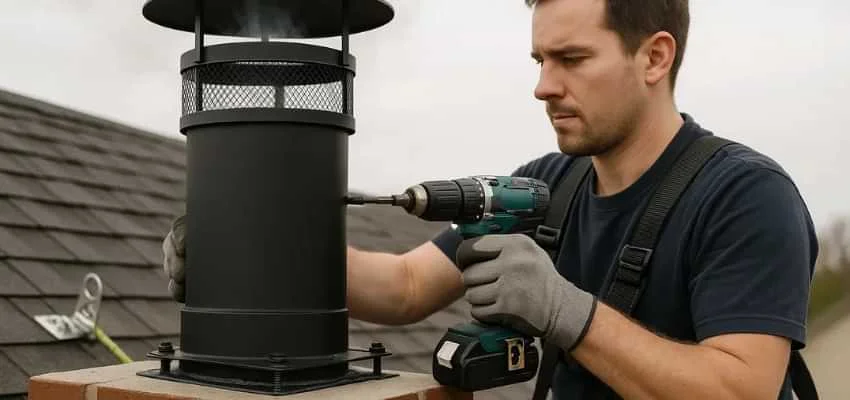
The cost of chimney work depends on the scope, the materials, the height and pitch of the roof and the condition of what is already there. A short chimney on a gentle roof is simpler to reach than a tall one on a steep or three-story house. Materials range widely, from a repellent or standard pot to custom stainless parts, insulated liners or factory-built chimney kits. Hidden problems found once work begins, such as cracked tiles or rotted framing, add to the total. A written quote that lists each item lets you compare offers on equal terms.
Usually, yes, as long as the chimney and flue are in good condition and the pot suits the appliance it will serve. The pot must match the flue size so it does not restrict draft, and its weight has to be carried by a sound crown or flue tile. Some homeowners add pots for the look, others to give a short chimney a little more height. A guard or cap made for the pot keeps animals and rain out. Before booking chimney pot service for a new pot, ask to see style options and how it will be secured against wind.
Follow the crew’s instructions about when the fireplace or stove can be used again, since new mortar, coatings or liners may need time. In the weeks after, watch for any stains, drafts or smoke that seem new. Keep the area around the chimney top clear by trimming branches and cleaning nearby gutters. If you burn wood, use dry, seasoned firewood and have the flue swept regularly, which protects liners and tiles. Book a yearly inspection, and keep receipts and photos from the work so future technicians know what was done.
Choose a chimney contractor that inspects before quoting, explains the cause of the problem and shows you evidence. Look for a company that does the specific work you need, whether flue repair, chimney pots, waterproofing or factory-built chimney installation, and ask to see photos of similar jobs. A clear written quote, a realistic timeline and an explanation of how the home will be protected are good signs. Read recent reviews for comments about communication and tidiness. Be cautious with anyone who pushes a large job without photos or pressures you to decide on the spot.
Some questions are easier to answer in a quick call than in a form. Phone (778) 910-9127 and tell us about your chimney. We will explain the options, give you a sense of timing and book a visit in Surrey if you decide to go ahead.
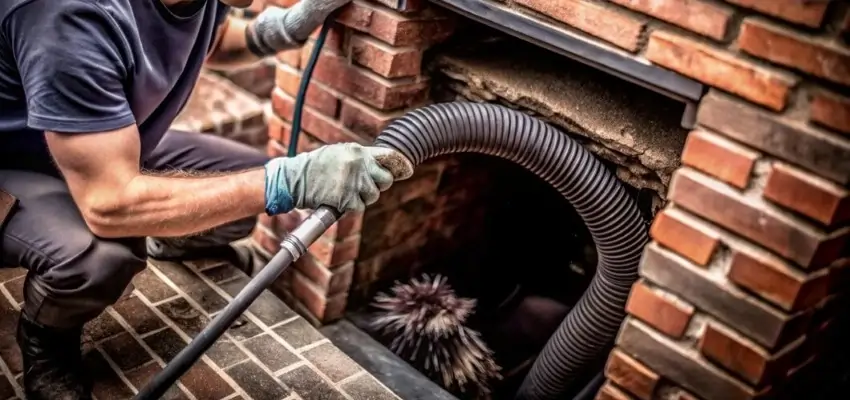
Surrey homeowners: Chimney Cleaning with drop cloths down
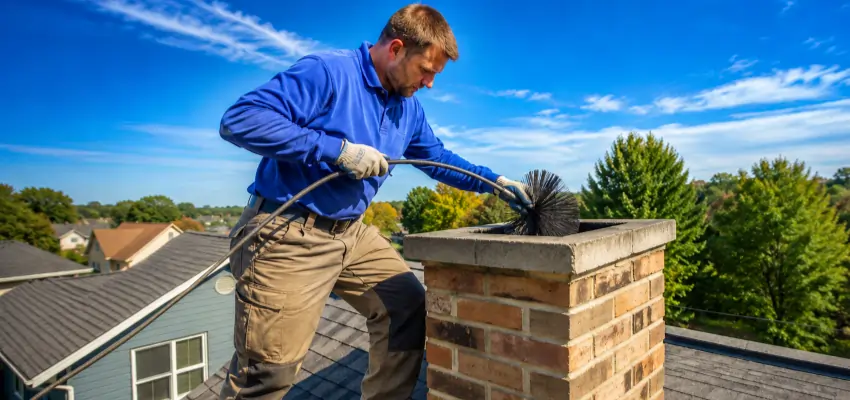
Flue brushed end to end: Chimney Sweep around Surrey
Smoky room or stuck damper? Chimney Sweep Services for Surrey
Wood units, stoves and inserts: Fireplace Experts serving Surrey
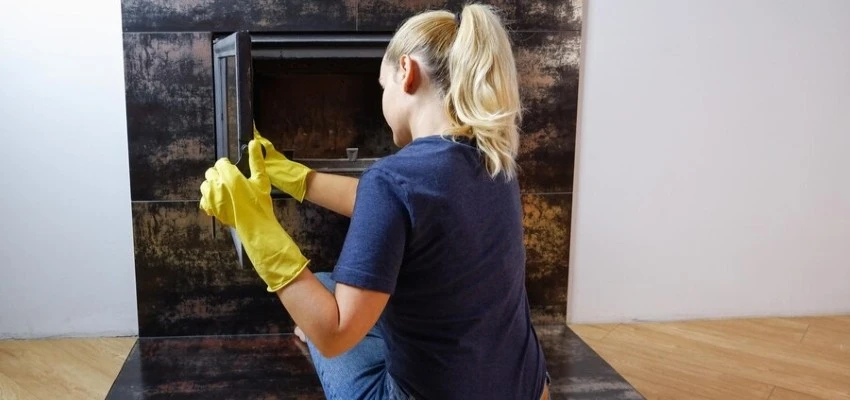
Glass film, cobwebs, dust: Gas Fireplace Cleaning across Surrey
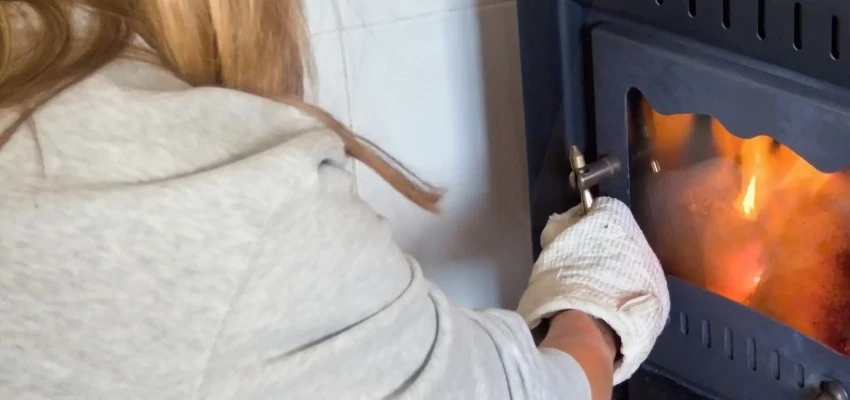
Gas Fireplace Maintenance: a checklist, not a quick wipe