
A chimney is part of how a house looks from the street and part of how its fireplace or stove works inside. Good chimney renovation respects both. For people in Surrey who have been searching for “chimney remodel”, the answers below explain what the work involves, what affects the result and how to keep the chimney sound for years once the crew has packed up and gone.
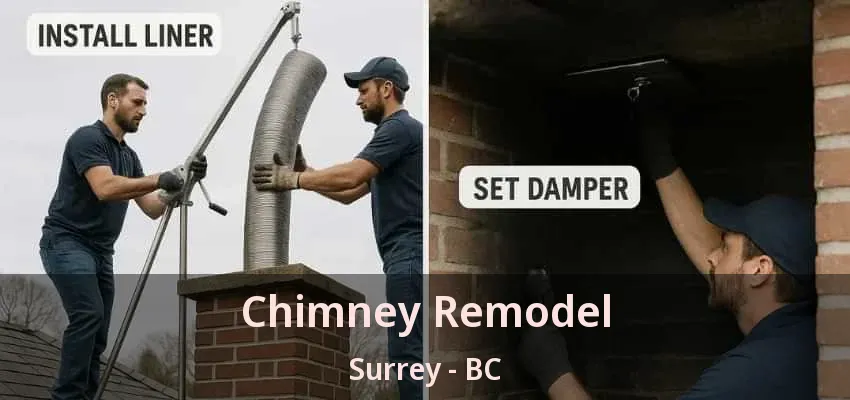
A chimney remodel changes how a chimney looks, how it works or both, going beyond simple repairs. Common projects include refacing the exterior with new brick, stone veneer or stucco, rebuilding the top with decorative details, adding or replacing chimney pots, changing the height, updating the crown and cap, and adapting the flue for a new fireplace insert or stove. Some remodels remove an unused chimney or the part above the roof. Because the chimney is part of the roof and structure, a remodel is planned with weight, weatherproofing and safe venting in mind.
The clearest signs are water, debris and smoke where they do not belong. Watch for damp stains near the chimney, flakes of tile or brick in the firebox, rust on the damper or cap, a fireplace that smokes into the room and loose or leaning pieces at the top of the chimney. Outside, white staining on brick, gaps in mortar and plants or moss growing on top are worth noting. Any smell of smoke in rooms next to the chimney, or a carbon monoxide alarm, means stop using the appliance and have it checked before it is lit again.
Often, yes. Thin stone veneer, natural or manufactured, can be applied over sound brick or over a framed chase with the right backing, lath and drainage details. The existing surface must be solid and clean, and the veneer needs flashing and a way for moisture to escape at the base so water does not get trapped behind it. Weight is a consideration on older chimneys. If you are planning a “chimney remodel” with stone in mind, ask how the veneer will be attached, how the top will be finished and how the work will meet the roof.
Some chimney work can be done in almost any weather, but masonry, crown work and water repellents need mild, dry conditions. Mortar and concrete should not freeze while they cure, and coatings need dry brick to soak in properly, so those jobs are usually planned for spring through fall. Liner installation, pot fitting and some interior work are less sensitive, though roof access still depends on ice, wind and rain. Booking ahead of the cooler months gives the widest choice of dates. If the forecast turns, a careful company will reschedule rather than rush.
Timing the two together usually saves money and gives a cleaner result. When the roof is being replaced, the area around the chimney is already open, so flashing, crickets and any change in chimney height can be handled before new shingles go on. Siding or stucco work around a chase is easier to match when both happen at once. The key is agreeing on who does what and in which order, so the chimney work is finished before roofing or siding seals it in. Share both schedules with each contractor when you plan chimney renovation.

Many chimney jobs take a single day, while larger projects can run several days or more. Fitting a pot or cap, applying a water repellent or making a small flue repair is usually done in one visit. Relining a flue or installing a factory-built chimney often takes a full day, sometimes two. Remodeling, rebuilding or replacing large sections of masonry stretches longer, because mortar and concrete need curing time between steps. Weather can add days to any outdoor work. Ask for both the hours on site and the total span from start to finish.
We need three things from you: a cold appliance, a clear path and good information. Cold means no fire or stove use for a day or so, so we can work in the flue safely. A clear path covers the hearth, the route through the house and the ground where ladders go. Good information includes gate codes, where the attic hatch is, any pets at home and anything fragile on the roof, such as skylights. With those sorted, setup goes quickly and the crew can spend its time on the chimney rather than moving patio chairs.
Mostly no, and the reason is risk rather than complexity. Roof work at height, heavy pots, flue liners and anything involving venting or gas can hurt people or the house if done wrong. What we encourage is observation: photos of the chimney top after storms, a note of when the fireplace started smoking, a look at the firebox for fallen debris. Those notes make our visits faster and more accurate. Store-bought sealers are a common DIY mistake, since the wrong product can trap moisture and damage brick. Leave products and climbing to us, and keep your carbon monoxide alarms tested.
Burn dry wood, keep the top clear and book a yearly check; most of what keeps new chimney work in shape happens between our visits. Seasoned logs keep creosote down and protect liners and flue tiles. A cap or pot that stays clear lets the chimney draft properly. Water is the long-term enemy, so the crown, flashing and any repellent are worth a glance after big storms. We leave written notes on what we did and what to watch for. Homeowners who follow that routine rarely call us back for the same problem.

Sometimes the most useful thing is simply knowing whether there is a problem at all. A visit from Chimney Sweep Surrey gives you that answer, along with practical advice for keeping things in order. Call (778) 910-9127 to set one up.
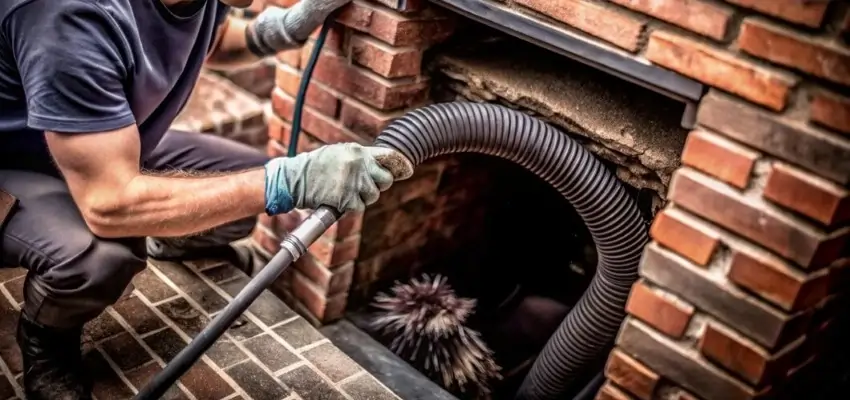
Surrey homeowners: Chimney Cleaning with drop cloths down

Flue brushed end to end: Chimney Sweep around Surrey
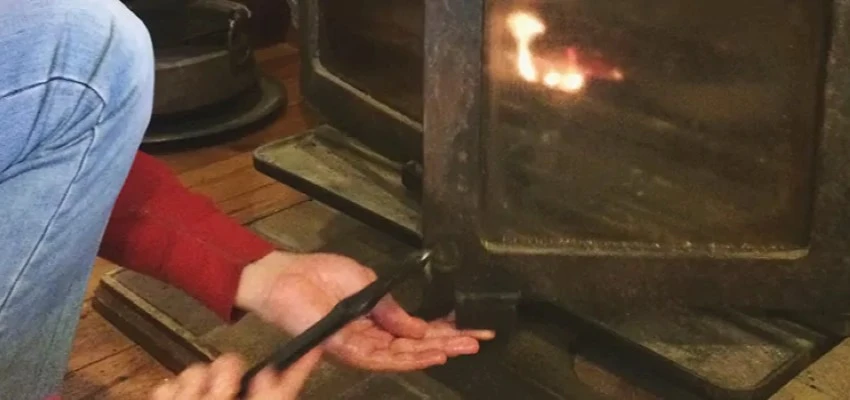
Smoky room or stuck damper? Chimney Sweep Services for Surrey

Wood units, stoves and inserts: Fireplace Experts serving Surrey
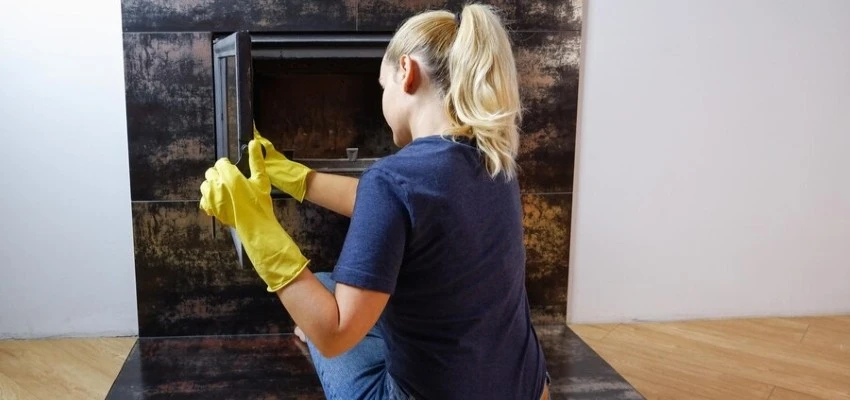
Glass film, cobwebs, dust: Gas Fireplace Cleaning across Surrey
Gas Fireplace Maintenance: a checklist, not a quick wipe

