
Maybe you spotted a stain on the ceiling beside the fireplace, a few brick chips on the roof or a damper that will not budge. Small discoveries like these send many homeowners in Surrey looking up “chimney repair near me” to find out how serious the problem really is. The answers below explain how chimney repair works, what tends to cause the damage in the first place and which details matter when you talk to a company about fixing it.

Repairs matter because chimneys tend to fail slowly at first and then expensively. We regularly open up a chimney where a minor issue, such as a missing cap or one cracked mortar joint, was left alone for a few seasons. By then, water has soaked the bricks, rusted the damper or softened the wood framing beside the stack. Work at that stage takes longer and uses far more material. Catching the same fault early usually means a short visit and a modest bill. There is a safety side too, because a damaged flue or liner can let heat and smoke escape where nobody expects them.
Sometimes yes, often no, and the deciding factor is whether the damage touches the path the smoke takes. A chipped brick on the outside of the stack is not going to change how the fire drafts tonight. A broken flue tile, a liner with gaps, a crown that lets rain pour into the flue or a fan that has stopped running can. When we are asked this on the phone, we usually suggest leaving the fireplace or stove cold until the chimney has been checked. A few quiet evenings cost nothing, and a carbon monoxide alarm near the bedrooms is cheap protection in any home with a fuel-burning appliance.
It depends on how deep the damage goes, not on how bad the surface looks. Spalled faces and eroded joints on an otherwise solid chimney are a repair job: fresh mortar, a few replacement bricks and attention to wherever the water is getting in. When the top courses rock under light pressure, when cracks run through bricks rather than just mortar, or when the stack has started to lean, patching only delays the inevitable. In those cases we take the chimney down to a sound course and rebuild upward. You should always see the evidence, ideally in photos, before agreeing to a rebuild.
A leaking chimney almost always has one of a few causes: a missing or damaged cap, a cracked crown, failed flashing where the chimney meets the roof, or porous bricks and mortar soaking up rain. On factory-built chimneys, a rusted or flat chase cover is a frequent culprit. Water may show up far from where it enters, running along the flue or the framing before it appears as a stain. Note when the leak happens, whether in every rain or only when wind blows from one direction, and where you see it. Those details help narrow down the source quickly.
Preparing for chimney repair mostly means clearing access inside and out. Stop using the fireplace or stove at least a day before so the firebox and flue are cool, and move decorations, screens, tools and furniture away from the hearth. Outside, move vehicles, patio furniture, planters and grills away from the side of the house where ladders will go, and unlock any gates. Let the company know about pets, an alarm system or anything fragile near the chimney. If the job involves the attic or basement, such as tracing a leak or emptying an ash pit, clear a path there too.
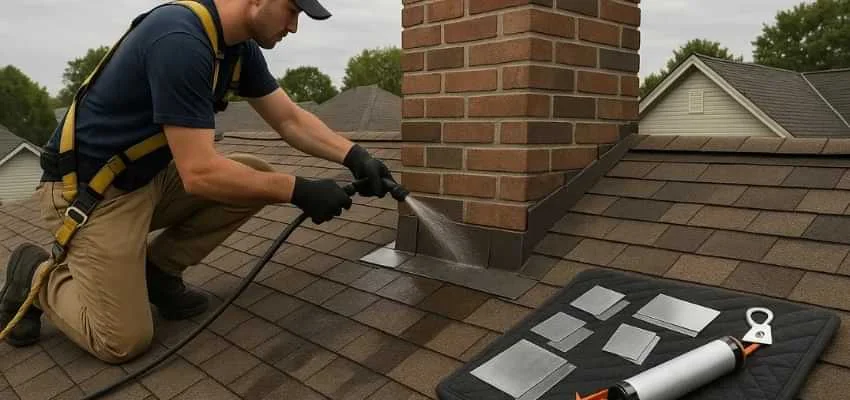
The first visit is usually an inspection and estimate. The technician asks what you have noticed, looks at the fireplace and any stains inside, then checks the chimney from the roof or a ladder, often taking photos. If the problem is small, such as a loose cap, it may be fixed on the spot with your approval. Larger work is quoted in writing, with the materials, timing and any weather constraints explained. Expect the visit to take under an hour for a typical home, longer if the attic or a camera inspection of the flue is involved. Have your questions about chimney repair timing ready.
Mention what the chimney is made of, what it serves and what you have noticed, because a few details on the phone save a lot of time on the roof. We ask which appliances use the flue, how many stories the house has and how steep the roof is. We ask what you have seen: a stain, debris in the firebox, a stuck handle, a rattling cap, smoke in the room. We ask when it started and whether a roofer or another contractor worked nearby recently. Two quick phone snapshots, one of the chimney top from the yard and one of the problem area inside, often tell us which parts and ladders to bring on the first trip.
After a repair, the main job is to watch for changes and keep water and debris away from the chimney. Follow any instructions about when the fireplace can be used again, since new mortar or crown material may need time to cure. In the first few rains, check the ceiling and walls near the chimney for stains and look in the firebox for water or debris. Keep tree branches trimmed back from the chimney top and the gutters near it clear. Book a yearly inspection so small wear is caught early, and file the paperwork from the repair for future reference.
A search for “chimney repair near me” is a sensible start, but narrow the results with a few checks. Look for companies that list your town or neighborhood and describe chimney repairs specifically, not only sweeping. Call two or three and ask what they need to know before giving a figure; good ones ask about the chimney type, the roof and what you have noticed. Read recent reviews for comments on punctuality and clean-up. Ask whether they can look at the chimney soon, even if the repair itself has to wait for suitable weather. Clear answers on the phone are a good sign.
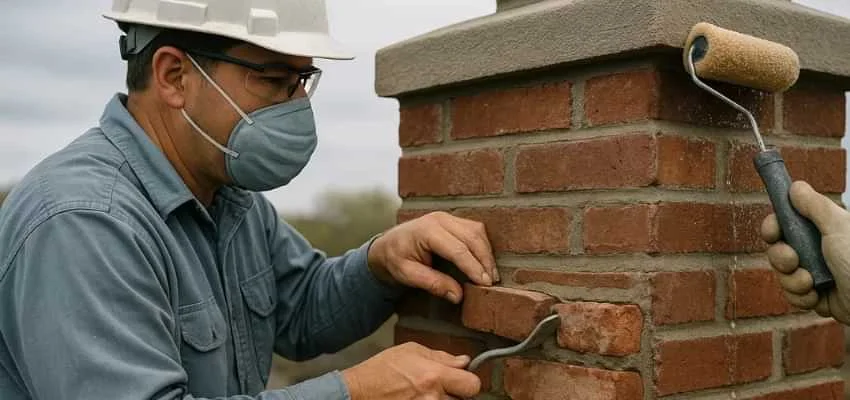
Our technicians work in homes across Surrey and the surrounding area. When you reach out, we confirm a convenient arrival window, explain what the visit includes and answer any last questions before anyone arrives. Pick a time that suits you and we will take it from there.
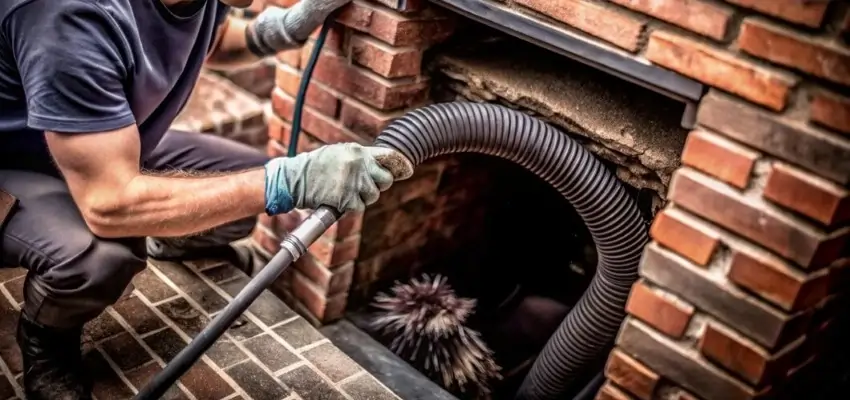
Surrey homeowners: Chimney Cleaning with drop cloths down
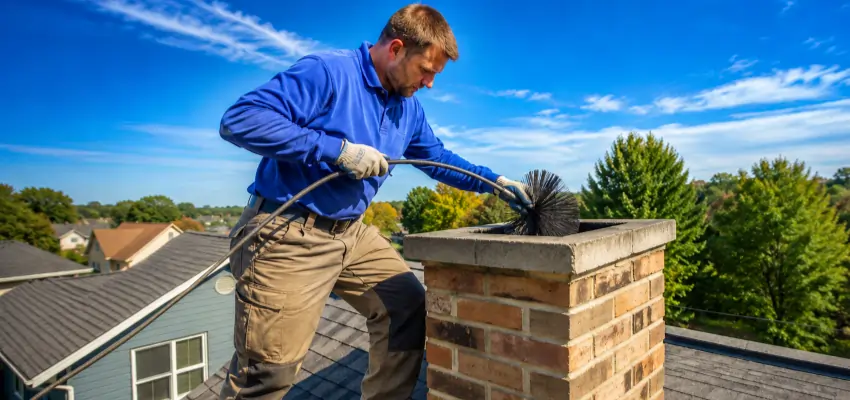
Flue brushed end to end: Chimney Sweep around Surrey
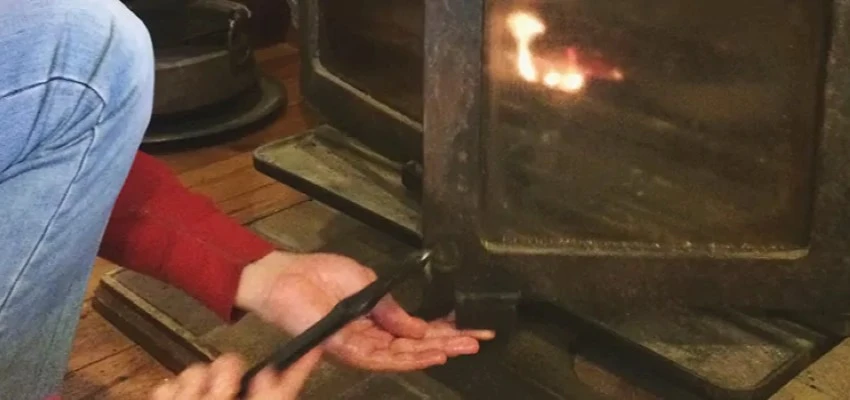
Smoky room or stuck damper? Chimney Sweep Services for Surrey
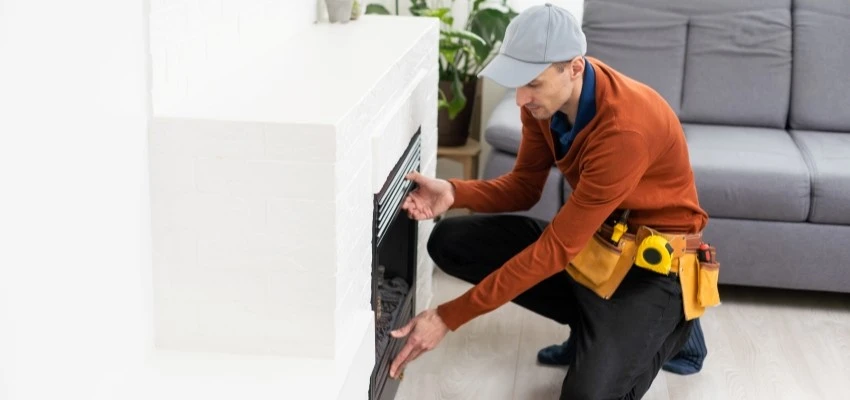
Wood units, stoves and inserts: Fireplace Experts serving Surrey
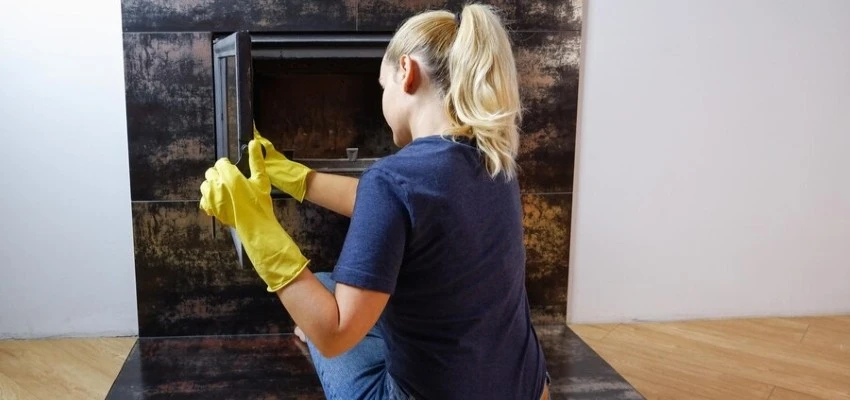
Glass film, cobwebs, dust: Gas Fireplace Cleaning across Surrey
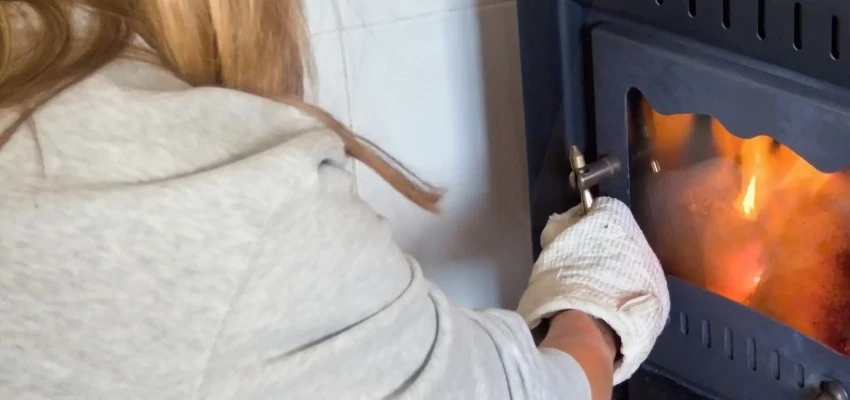
Gas Fireplace Maintenance: a checklist, not a quick wipe

