
A smoky smell on a humid afternoon, scratching above the damper, a fire that refuses to draw: chimneys tend to announce trouble in small ways first. If one of those moments led you to search for “chimney sweep near me”, you are in a good place to start. This page walks through chimney sweeping for buildings around Surrey, explaining what usually causes problems, what a visit involves and which simple checks you can make safely on your own.

Creosote is the residue that forms when wood smoke cools on its way up the chimney and its tars, gases and moisture condense on the flue walls, and it is dangerous because it burns easily and very hot. A thick layer can catch from a stray spark or an unusually hot fire, and the resulting chimney fire can crack liners and push heat toward nearby framing. Creosote builds faster with damp wood, smoldering fires and chimneys on cold outside walls. It may look like black flakes, a sticky tar or a hard, shiny glaze. If you see any of these on the damper or around the firebox, book a sweep.
Glazed creosote comes off with tools and time, since an ordinary brush glides over it like a broom on ice. We describe creosote in three stages: a loose, sooty layer that brushes away, a crunchy, flaky layer that needs stiffer heads, and a glossy third stage that clings to the liner like candy coating. For that last stage we use rotary heads with chains or cutting blades, spun on a drill and matched carefully to the liner so we do not damage it. Chemical modifiers help too, turning the glaze into a brittle crust we can sweep out later. Each method has limits, so we explain them first.
A common guideline is to have a chimney inspected once a year and swept whenever that inspection finds meaningful buildup, which for a fireplace or stove used regularly usually means about once a year. Heavy users, such as households heating mainly with wood, may need sweeping more than once per season. A fireplace lit only a few times each winter may go longer between sweeps, yet it still benefits from the yearly look, because nests, water damage and cracks have nothing to do with how often you burn. Many sweeps regard about an eighth of an inch of buildup as the point where cleaning is due.
A standard chimney sweep usually takes about an hour to an hour and a half for a single flue. Expect more time if there are several flues, if a stove or insert has to be disconnected, if the roof is steep or high, or if the buildup is heavy or glazed. A camera inspection or a written report adds a little more. Plan to be available for the whole visit and for a short conversation at the end, when the technician explains what was found. If your day is tight, describe your setup when booking so the company can give you a realistic window.
Late spring and summer are often the easiest times to have a chimney swept. The burning season is over, so the flue holds a full year of deposits, and sweeping then clears them before humid weather brings out odors. Appointments are also easier to get than in early fall, when many people remember their chimney at the same moment. Fall still works if you book ahead and leave time for any repairs the visit turns up. Heavy wood burners may add a midwinter check. If something already seems wrong, book right away instead of holding out for a particular month.
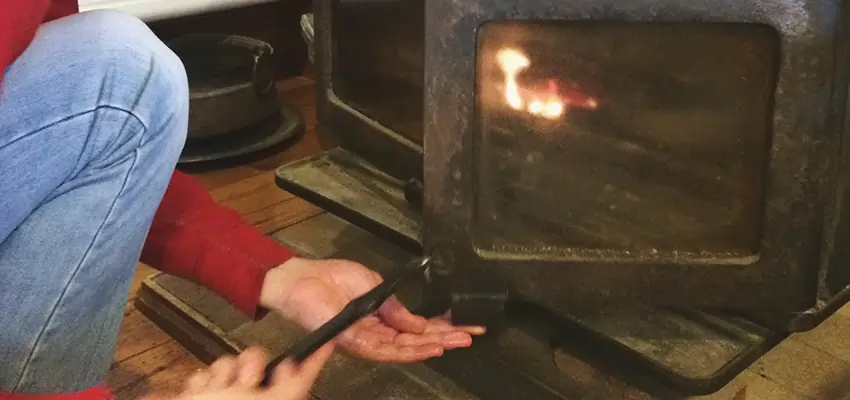
Someone usually needs to be home during a chimney visit, because most of the work starts at the fireplace or stove inside. An adult who can let the technician in, show where the appliances are and answer a few questions is enough. Try to be around at the end too, when the findings are explained and you can ask about anything that was noted. Roof-only tasks, such as checking a cap, can sometimes be done while you are out, but agree on that in advance. Landlords can arrange for a tenant or property manager to be present instead.
Booking a few weeks ahead is usually enough in spring and summer, while early fall can fill calendars much further out. If you plan to light your first fire on a particular weekend, count backward and leave room for any repair the visit might uncover. Ask whether the company keeps a cancellation list if you need an earlier slot. When your search for “chimney sweep near me” is prompted by smoke in the room or an animal in the flue, say so on the call and stop using the fireplace until someone has looked.
If the sweep finds damage, ask to see it, ask what it means for safety and get a written quote before you agree to anything, since a sound recommendation can always be shown and explained. Photos or camera footage should make the problem clear. Ask whether the fireplace or stove can be used in the meantime, and which repairs are urgent and which can be planned. Common findings include a cracked crown, loose flashing, a rusted damper, a missing cap or cracked flue tiles. For larger jobs, such as relining, a second opinion is reasonable. Avoid deciding under pressure on the doorstep.
A search for “chimney sweep near me” mixes genuine local businesses with booking services that pass jobs along. Check whether the company lists a service area that includes your town, whether its reviews mention nearby neighborhoods and whether the person on the phone knows the area. Ask where the crew is based and how often they work around Surrey. A local sweep should be able to describe common chimney types in your area and give a realistic arrival window. If answers stay vague, keep looking until you find someone who clearly works close by.
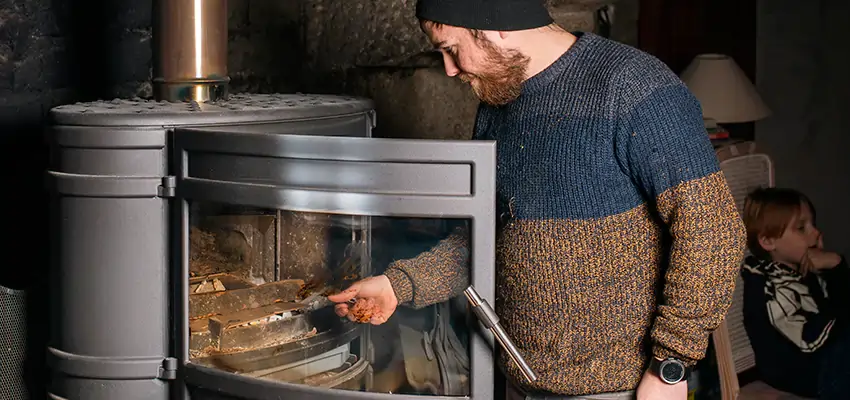
After the visit you get a short summary of what we found, what we did and anything worth planning for later. It makes future decisions about your chimney much easier. Book with Chimney Sweep Surrey and keep it on file.
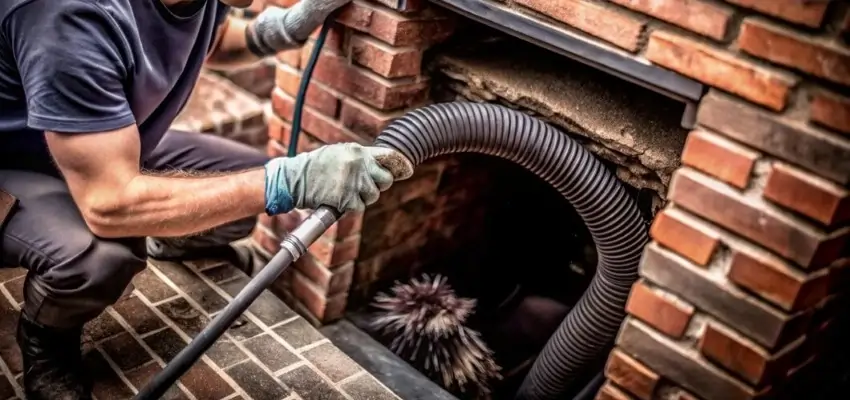
Surrey homeowners: Chimney Cleaning with drop cloths down
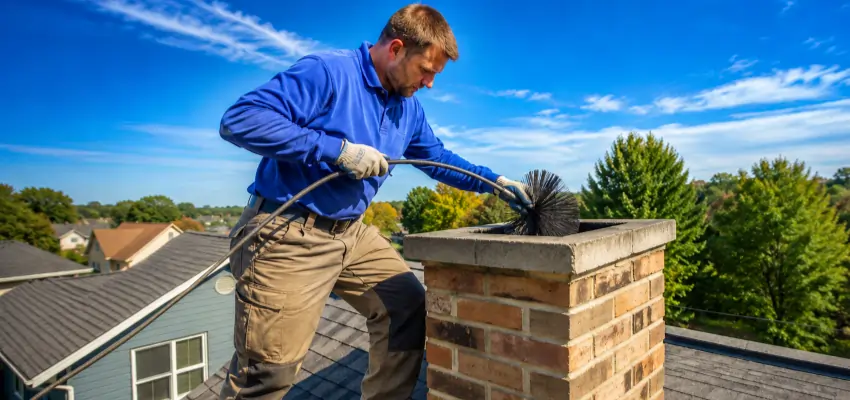
Flue brushed end to end: Chimney Sweep around Surrey
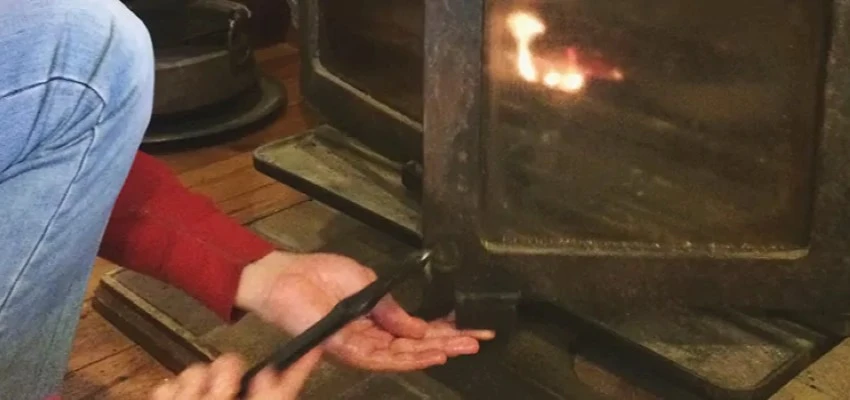
Smoky room or stuck damper? Chimney Sweep Services for Surrey
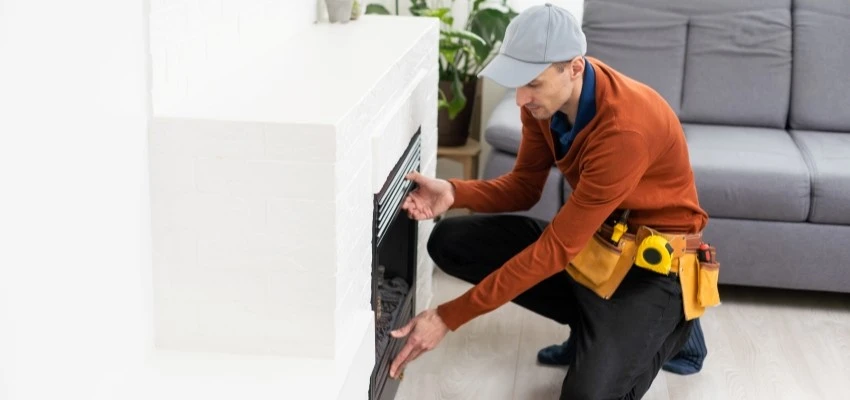
Wood units, stoves and inserts: Fireplace Experts serving Surrey
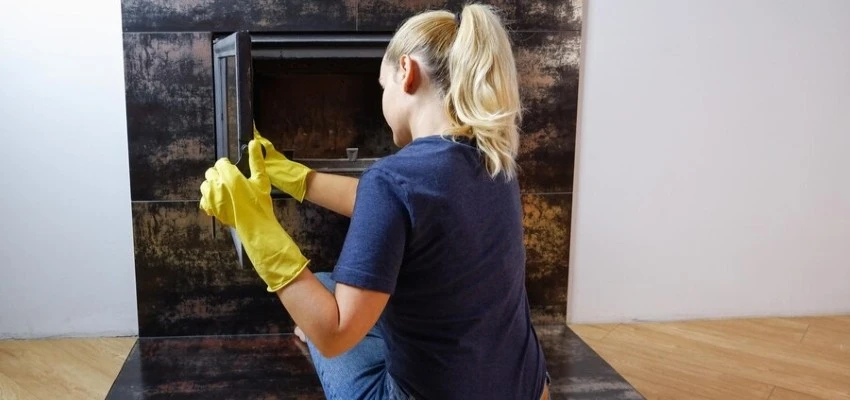
Glass film, cobwebs, dust: Gas Fireplace Cleaning across Surrey
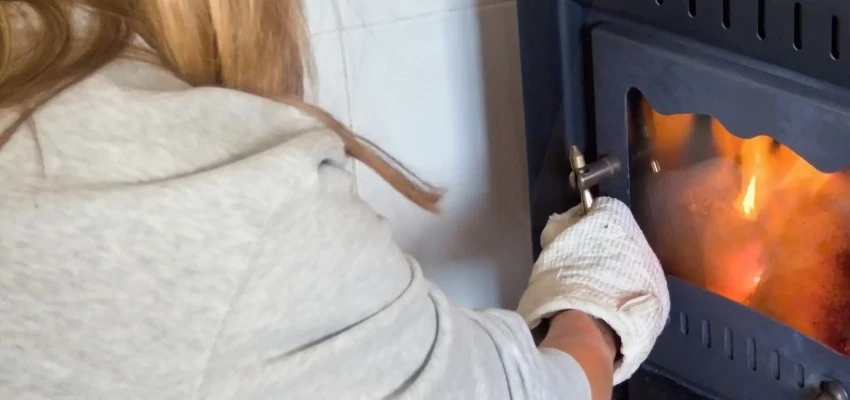
Gas Fireplace Maintenance: a checklist, not a quick wipe

