
Plenty of people around Surrey inherit a fireplace or wood stove along with a house and have no idea when anyone last looked at it. Typing “fireplace cleaning” into a search bar is a sensible first move. The questions below are the ones homeowners raise most often about fireplace cleaning, answered in plain language and with the reasoning behind each answer, so you can judge what applies to your home and what does not.

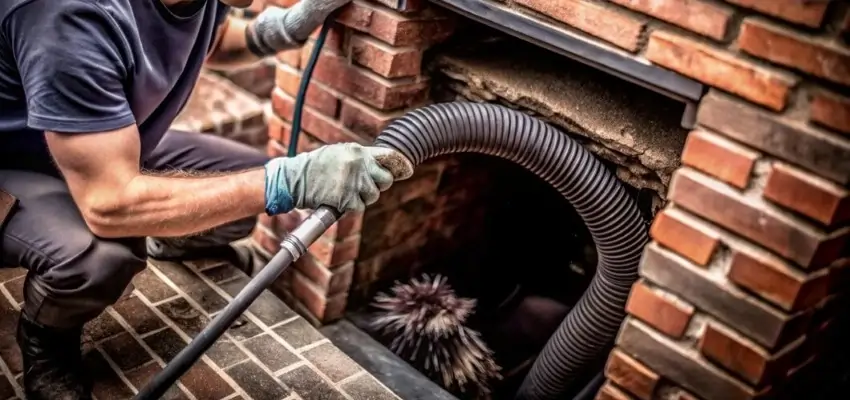
The chimney is the main part of any cleaning we do, and the firebox is only the starting point. Soot settles on every surface the smoke touches, from the damper or stove outlet all the way up to the cap, and the heaviest deposits usually sit just above the fire, where the gases first cool. We brush that entire path, pull the debris down into a contained vacuum, then clear the firebox and the hearth. When a company only scoops ashes and wipes the doors, the part that matters for safety has been skipped, and the next fire runs through the same dirty flue.
Odor in warm months is one of the most common calls we get, and the cause is nearly always creosote reacting with humidity. Those deposits absorb moisture and release a stale campfire smell, which drifts indoors whenever the house draws air down the flue. We clean the flue to remove the source, check whether the damper seals and look at the cap, since rain soaking into soot makes things noticeably worse. In homes around Surrey where the problem keeps returning, a top-sealing damper that closes at the very top of the chimney is often the change that settles it.
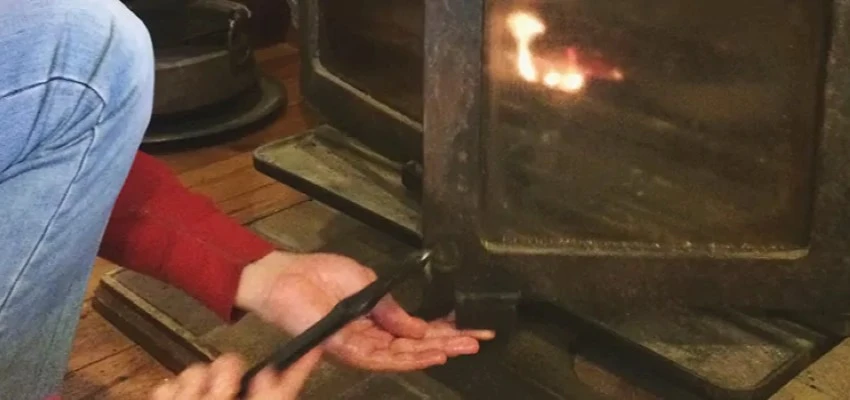
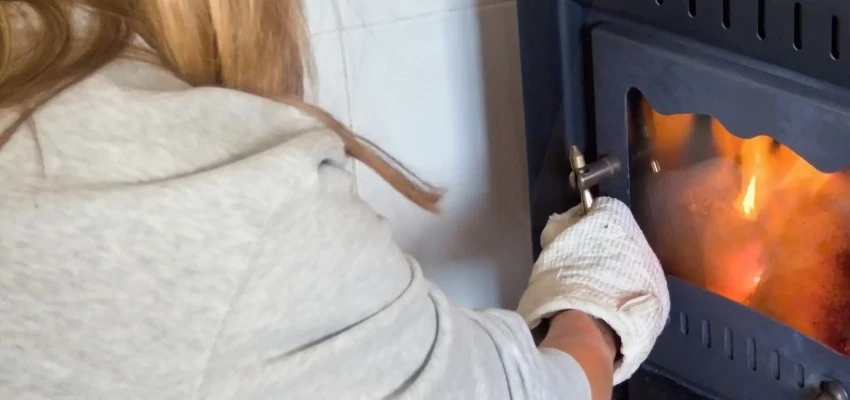
A fireplace or stove needs cleaning when the flue turns matte black and furry with deposits, or when fires start losing their pull. We judge it by thickness and texture, but homeowners can spot the effects from the hearth. Fires get lazy, drafts weaken and the room picks up a stale smell between uses. In stoves, the glass blackens faster and the baffle collects a crust. Heavy users often reach that point before the season ends, while occasional users may go a full year or more. When in doubt, a quick inspection settles it without guesswork.
We take care of the smell by removing its source first and then cutting off its path indoors. Cleaning removes most of the odor-producing deposits, including the sticky layer that builds up on the smoke shelf or behind a stove baffle. Then we look at why air is flowing down the chimney: a damper that does not seal, a missing cap letting rain soak the soot, or a house pulling air through exhaust fans. Fixes range from a new damper gasket to a top-sealing damper or a cap. Odor that survives all that sometimes comes from deposits soaked into the masonry, which may call for a deodorizing product applied by the technician.
Cleaning a fireplace properly relies on a handful of specialized tools. Brushes come in wire for masonry flues lined with clay tile and in stiff poly for metal flues that a wire brush could scratch, sized to match the shape of the flue. They attach to flexible rods that snap together to reach the full height of the chimney, and some technicians use rotary systems that spin the brush with a drill. A vacuum with fine filtration keeps soot contained, while lights, mirrors and inspection cameras show what the brushes have reached. Drop cloths and hand tools finish the smoke shelf and firebox.

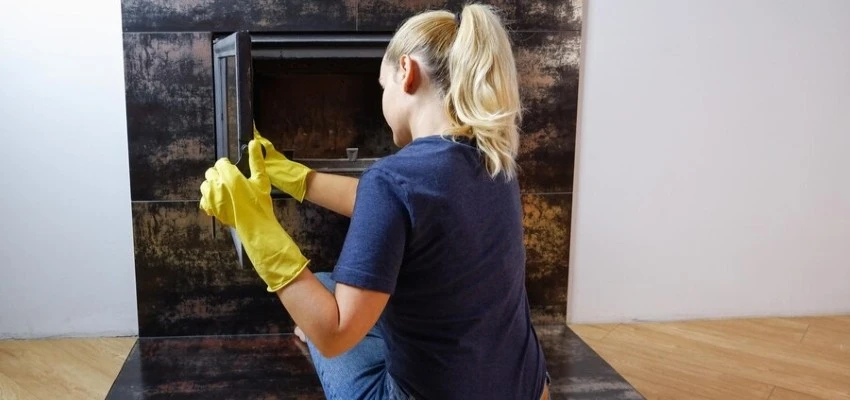
A careful sweep should leave little or no mess, because the soot is contained and vacuumed as the work happens. Expect drop cloths around the hearth, the fireplace opening or stove door sealed off and a vacuum running for much of the visit. A little fine dust can still escape when the damper is opened or stovepipe comes apart, so clear the mantel and move rugs and furniture back a few feet. If you have light carpet or upholstery nearby, mention it when booking. A good crew leaves the hearth cleaner than they found it.
A common guideline is to have the chimney inspected once a year and swept whenever buildup calls for it, which for many households also works out to about once a year. Homes that burn a fire most evenings through the colder months may need a sweep more often, sometimes partway through the season, while a fireplace used a few times a year may go longer between cleanings. Wood stoves used as a main heat source tend to build up creosote faster. Damp wood, smoldering fires and cold outside chimneys all shorten the interval, so let the yearly check guide the schedule.
Usually, yes, and the stain is worth reading before you scrub it. Soot on the brick or stone above the opening often means smoke has been rolling out of the firebox, so the draft deserves a check along with the fireplace cleaning visit. For the stain itself, a dry soot sponge lifts loose residue without smearing it deeper, and a mild soap solution can follow on sealed or glazed surfaces. Avoid wire brushes and harsh acids, which can scar soft brick and mortar. Test any method on a hidden spot first, and leave stubborn or porous stone to a professional.
The questions that reveal the most are about scope and evidence: what is cleaned, what is inspected, how findings are shared and how extra work is priced. It is also reasonable to ask who will do the work, whether they handle masonry repairs themselves and how long any repair would need before the first fire. Asking how they deal with glazed creosote or a stovepipe that has to come apart shows quickly whether they have done it before. A technician who knows wood-burning systems answers each of these in a sentence or two, without hedging or upselling.

We work with people who live in their homes and with people who look after rental units around Surrey. Either way, you get a clear explanation of the work and what we found. Request a quote for one home or several and we will plan the visits with you.
Surrey homeowners: Chimney Cleaning with drop cloths down

Flue brushed end to end: Chimney Sweep around Surrey
Smoky room or stuck damper? Chimney Sweep Services for Surrey

Wood units, stoves and inserts: Fireplace Experts serving Surrey
Glass film, cobwebs, dust: Gas Fireplace Cleaning across Surrey
Gas Fireplace Maintenance: a checklist, not a quick wipe

