
Questions about safety, cost and timing come up whenever a homeowner thinks about a fireplace or stove. If you landed here after searching for “fireplace company near me”, you will find those questions answered one by one, in roughly the order most people ask them. The focus is on fireplace service for homes in Surrey, with honest detail about what a technician does, what affects the work and what you can safely handle between visits.

Creosote is the dark residue that forms when wood smoke cools and condenses inside a chimney or stovepipe, and it matters because it burns. It starts as dry, flaky soot, can thicken into a crunchy or sticky tar and at its worst becomes a hard, shiny glaze. A thick layer can ignite and cause a chimney fire. Creosote builds faster when wood is damp, when fires smolder with too little air and when the flue stays cold, as it often does in a chimney on an outside wall. Burning dry wood with a lively flame and having the flue swept when buildup appears keeps it under control.
The signs fall into two groups: what you hear during the fire and what we find after it. A fast chimney fire is often described as sounding like a freight train or a jet engine, with popping as tiles and deposits heat up. In that moment, the only job is to leave the house and call the fire department. Afterward, we look for creosote that has swelled into a honeycomb texture, discolored or distorted metal, cracked liner sections and stains where smoke escaped through gaps. Those clues matter because a quiet chimney fire can damage a flue without anyone noticing.
During a fireplace sweep, the technician cleans the full smoke path from the firebox to the top of the chimney while keeping soot out of your room. A typical visit starts with drop cloths and a sealed opening, with a vacuum running to hold fine dust back. Brushes on flexible rods are then run through the flue, from below, from the roof or both. The smoke shelf and smoke chamber above the damper are cleared, the damper is cleaned and tested, and ash and debris are removed from the firebox. You should get a short summary of what was found.
Leave it largely as it is, apart from unburned logs and decorative pieces. We actually prefer to see the firebox before anyone tidies it, because what lies on the floor tells a story: black flakes suggest creosote breaking loose above, mortar crumbs point to joint wear and gritty debris can mean a crown or cap problem. Shoveling out warm ash is the one thing to avoid, since embers can survive in an ash bed for days. If the pile is overflowing and stone cold, removing some of it is perfectly fine.
One visit usually covers a sweep, an inspection and small fixes that need no curing time. That can include clearing a nest, freeing a sticky damper, replacing a damaged screen, fitting a new chimney cap or resealing a stove door gasket. Larger jobs such as firebox rebuilding, crown work or tile replacement normally need a second appointment, both for materials and because mortar must cure before a fire. When booking, describe the problems you have noticed, so the technician arrives with the parts most likely to be needed and can finish more on the first trip.

Start with a cold firebox and clear floor space; those two things make the biggest difference on the day. Ashes need to be cool enough to handle safely, so skip the fire the evening before, and we need room in front of the hearth to lay down covers and set up a vacuum. Fragile pieces on the mantel are better moved by you than by us. Outside, we look for a level spot for a ladder and an easy route to it. A dog that dislikes visitors, an alarm code or a sticky gate are all worth mentioning ahead of time.
You can keep things tidy between visits, but the flue is where do-it-yourself efforts fall short. We regularly find chimneys that were brushed from below with a kit that missed the smoke shelf, pushed debris onto a closed damper or knocked soot loose without anyone noticing a cracked tile. Any work on the liner or masonry belongs with a professional. A sensible split is simple: ashes, glass, alarms and firewood are yours; sweeping, inspection and anything structural go to a technician. That division keeps you safe and puts experienced eyes on the parts that matter.
It often makes sense, because the fireplace and chimney work as one system and problems in one show up in the other. Water from a cracked crown can rust a damper; a damaged flue can cause smoke in the room. When one company looks after both, nobody can blame the other half of the system. Before choosing among the results of a “fireplace company near me” search, ask whether the company handles masonry, caps and dampers itself or brings in partners for some tasks. Either can work well, as long as you know who is responsible for each part of the job.
A nearby company is often the practical choice because it already knows how chimneys in your area were built and how local weather treats them. Houses from the same era and builder tend to share fireplace designs, flue sizes and weak spots, so a technician who works close by has probably seen your setup many times. Scheduling is simpler, and so is follow-up if you have a question or need a repair after the first visit. Before booking, confirm that the company does the work with its own team rather than passing it on, and ask which areas it covers.

We know most people are juggling work, family and errands. Let us know which days and times are easiest and we will try to match them. Choose a time for fireplace service and the Chimney Sweep Surrey team will confirm it with you.
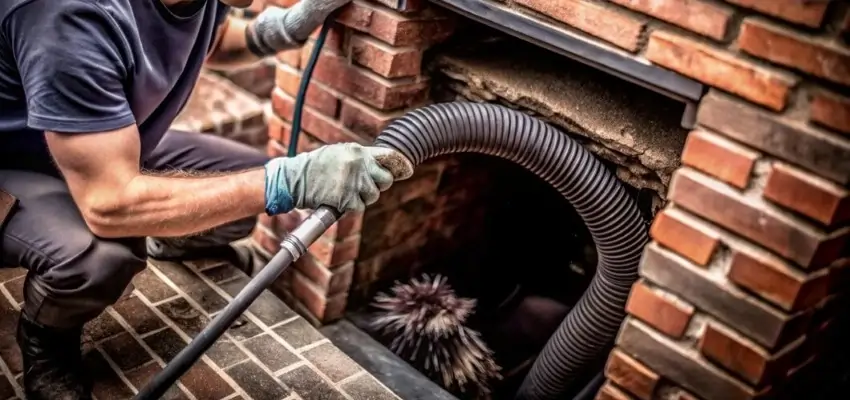
Surrey homeowners: Chimney Cleaning with drop cloths down
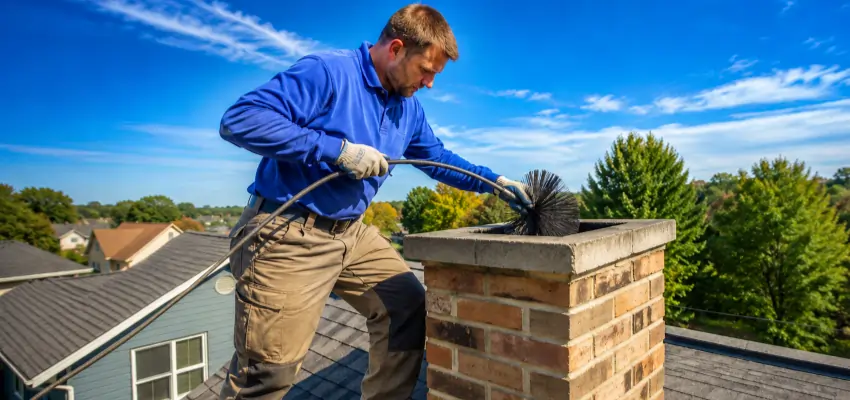
Flue brushed end to end: Chimney Sweep around Surrey
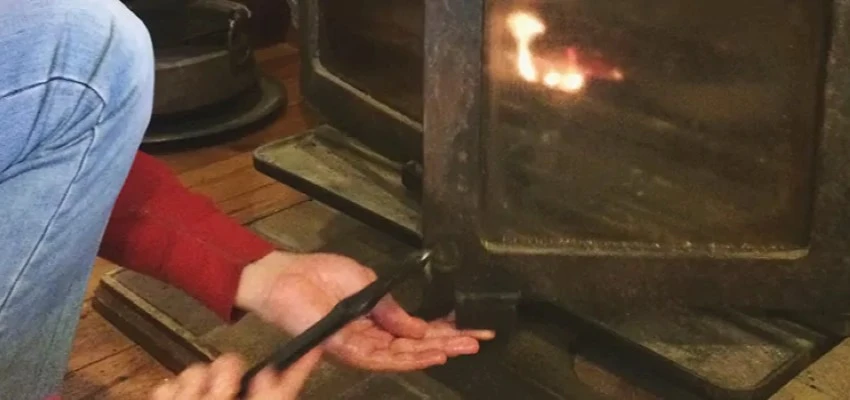
Smoky room or stuck damper? Chimney Sweep Services for Surrey
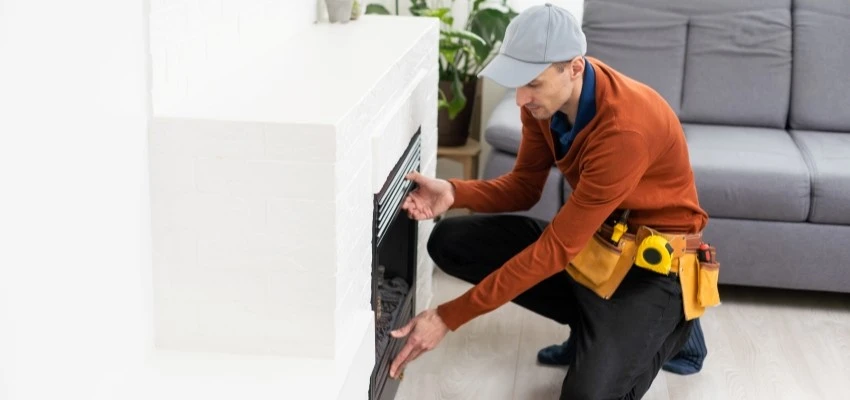
Wood units, stoves and inserts: Fireplace Experts serving Surrey
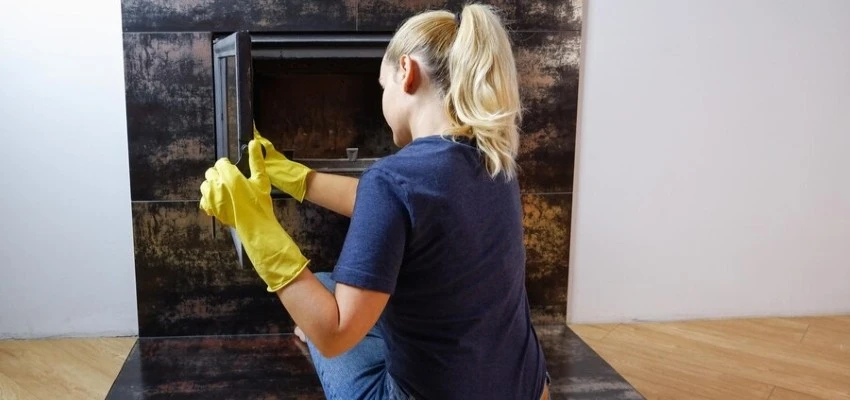
Glass film, cobwebs, dust: Gas Fireplace Cleaning across Surrey
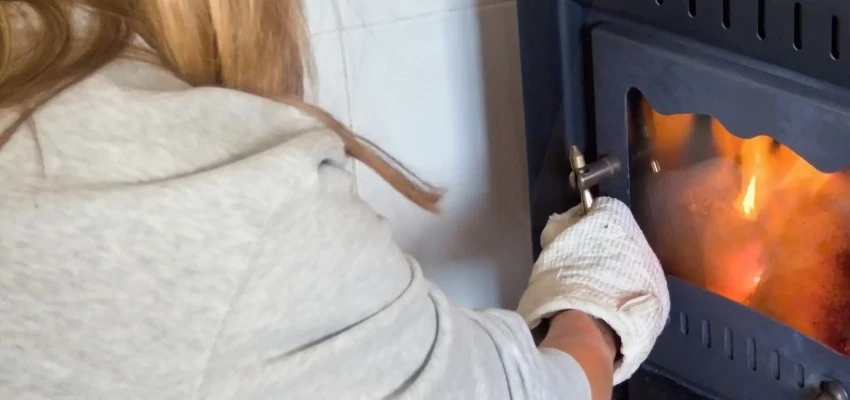
Gas Fireplace Maintenance: a checklist, not a quick wipe

