Buying a house with a fireplace or wood stove, or finally deciding to use one that has sat cold for years, raises a lot of questions at once. Homeowners in Surrey who type “fireplace service company” are often in exactly that spot. The answers that follow walk through fireplace service step by step, so you know what to ask, what to expect from a visit and when it is safe to enjoy a fire again.

Creosote is unburned fuel: tiny droplets of tar and gas that leave the fire, cool on the way up and stick to the flue walls. We grade it by texture on every job. A light, powdery coat brushes away easily. A thicker, flaky or bubbly layer takes more effort and tells us fires are running cool or the wood is wet. A glossy, glazed coating is the one that concerns us, because it is stubborn to remove and burns intensely if it catches. Where we find heavy deposits, we talk through wood and burning habits, since changing those is what slows the next round of buildup.
The signs fall into two groups: what you hear during the fire and what we find after it. A fast chimney fire is often described as sounding like a freight train or a jet engine, with popping as tiles and deposits heat up. In that moment, the only job is to leave the house and call the fire department. Afterward, we look for creosote that has swelled into a honeycomb texture, discolored or distorted metal, cracked liner sections and stains where smoke escaped through gaps. Those clues matter because a quiet chimney fire can damage a flue without anyone noticing.
A fireplace or stove needs cleaning when the flue turns matte black and furry with deposits, or when fires start losing their pull. We judge it by thickness and texture, but homeowners can spot the effects from the hearth. Fires get lazy, drafts weaken and the room picks up a stale smell between uses. In stoves, the glass blackens faster and the baffle collects a crust. Heavy users often reach that point before the season ends, while occasional users may go a full year or more. When in doubt, a quick inspection settles it without guesswork.
One to two hours covers most cleaning and inspection visits we make, with the chimney deciding which end of that range applies. Setup and floor protection take a few minutes, brushing takes the bulk of the time, and clean-up plus a walkthrough close things out. Tall chimneys, steep roofs and several flues stretch the visit, as do thick layers that need extra passes or special tools. Repairs are their own matter: a damper handle may be fixed on the spot, while firebrick or crown work gets a separate appointment. Since time shapes the price, an accurate description up front helps everyone.
There is no need to clean the fireplace or stove before the visit, although clearing out a deep pile of completely cold ash is helpful. Technicians empty the firebox as part of the job and can learn something from what is there, such as how much creosote is falling or whether bricks are flaking. What matters most is that the ashes are cold, which can take several days after the last fire, since buried embers stay hot far longer than they look. Do take out unburned logs, kindling and decorations so the firebox is easy to reach.

Thoroughly dry wood is what keeps a fireplace or stove burning cleanly, and dryness affects buildup more than anything else a homeowner controls. When we find heavy, tarry creosote, our first question is about the woodpile. Freshly cut logs hold a lot of water, and all of it has to steam off before the wood really burns, cooling the fire and sending sooty smoke up the flue. Species matters less than people assume; dry pine burns cleaner than wet oak. Buying wood early in the year, or checking it with a moisture meter before it goes into the fireplace, keeps sweeps light.
On the first call, a good company should explain what a visit includes, what affects the cost and what it needs to know about your fireplace. Expect questions about the type of fireplace, how often you burn and what problems you have noticed. The person should be willing to explain cleaning, inspection and repair in plain terms, give a realistic arrival window and describe how findings are shared. If a “fireplace service company” offers a firm repair price over the phone without seeing the fireplace, treat it as a rough guess only.
Organization shows before, during and after the visit. Before, you should get a confirmed appointment, an arrival window and a reminder of how to prepare. During, the technician arrives with the right equipment for the job described, protects the room and keeps you informed. After, you receive notes or photos, a clear invoice and an easy way to ask questions. When you are comparing results for “fireplace service company”, small details such as returned calls and accurate paperwork are a good preview of how carefully the work itself will be done.
Choose a company that explains its work clearly, inspects before recommending repairs and puts its quote in writing. A good company asks about your fireplace or stove before the visit, protects your floors during the work, shows you photos of what it finds and separates urgent problems from optional ones. Recent reviews that mention tidiness, punctuality and straight advice are worth reading. Experience with your type of appliance, whether masonry, factory-built or a stove, matters as well. Treat pressure to decide on the spot, or alarming claims with no photos behind them, as a reason to call someone else.
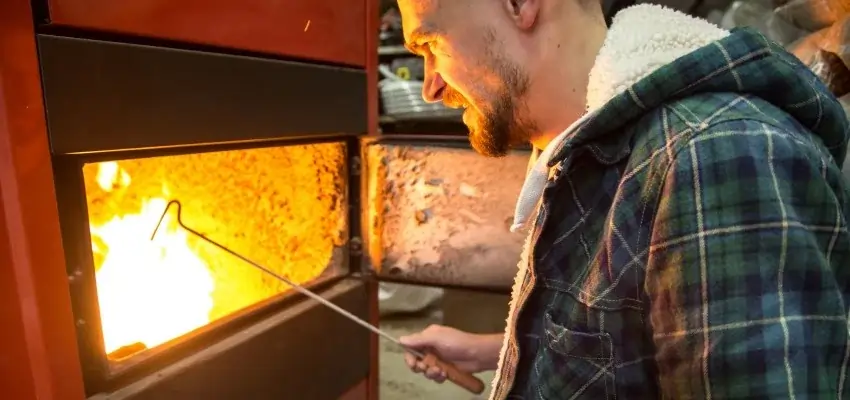
From townhouses to detached homes, we see a wide range of setups around Surrey and plan each visit around the home in front of us. If it is time to have your fireplace looked at, get in touch with Chimney Sweep Surrey and we will arrange a time that suits you.
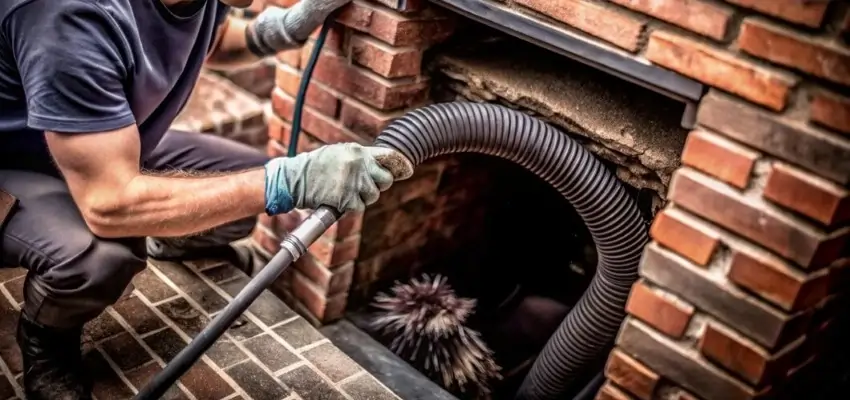
Surrey homeowners: Chimney Cleaning with drop cloths down

Flue brushed end to end: Chimney Sweep around Surrey
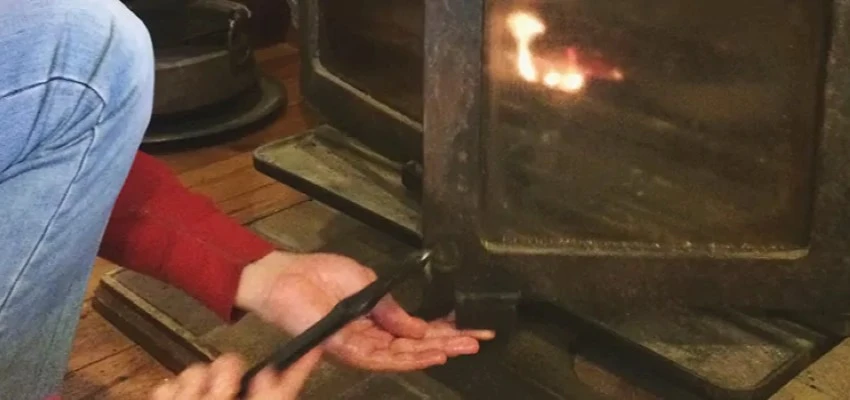
Smoky room or stuck damper? Chimney Sweep Services for Surrey

Wood units, stoves and inserts: Fireplace Experts serving Surrey
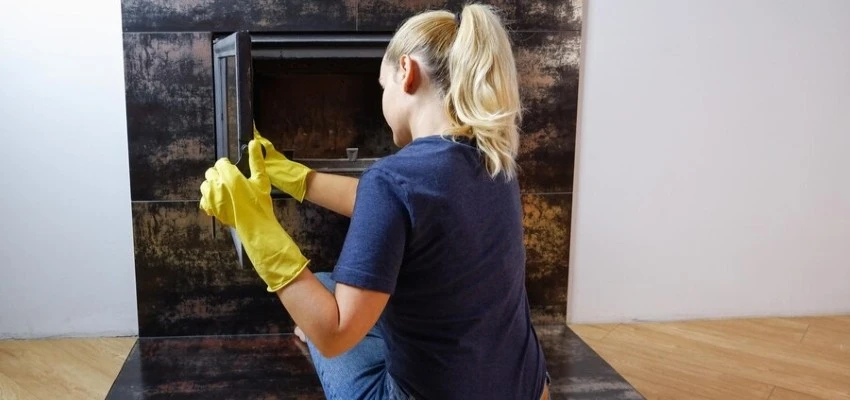
Glass film, cobwebs, dust: Gas Fireplace Cleaning across Surrey
Gas Fireplace Maintenance: a checklist, not a quick wipe