
Older homes often come with fireplaces that have seen many winters and a few questionable repairs along the way. If that sounds like yours and you typed “fireplace smoke shaft repair” into a search bar, you are probably weighing what to fix, what to keep and what to change. This guide is written for homeowners around Surrey and explains smoke shaft repair honestly, including the cases where a simpler job makes more sense than a big one.
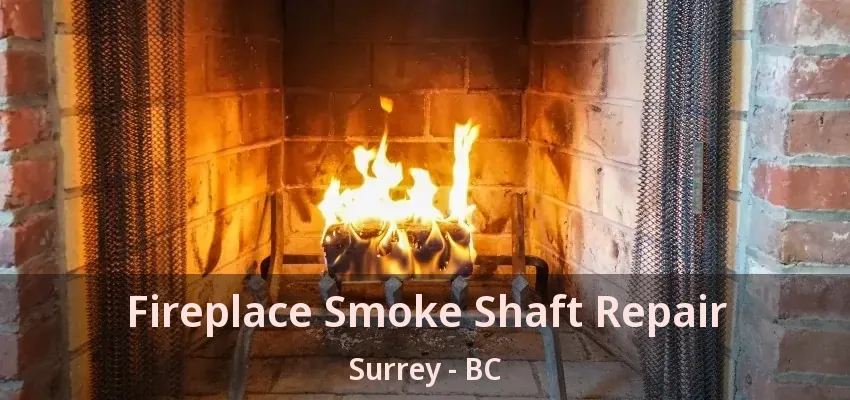
It is the transition zone between the throat and the flue, and it does more work than most people realize. Shaped like an inverted funnel, it gathers smoke and guides it into the flue opening. When we look up past the damper with a camera, we often find corbelled brick steps, missing mortar or a layer of glazed creosote clinging to rough walls. Those surfaces slow and swirl the smoke, which can push it back into the room and let deposits build. A smooth, sound chamber helps the fireplace draft properly and keeps hot gases away from the house structure.
Smoke shaft is a term people use for the passage that carries smoke from the fireplace up into the chimney: the throat above the firebox, the smoke chamber and the start of the flue. Every part of that route has to be smooth, sealed and clear for the fireplace to draft well and keep hot gases away from the house structure. Cracks, missing mortar, debris on the smoke shelf and heavy creosote are the usual problems. If you searched for “fireplace smoke shaft repair”, a camera inspection will show which section is affected, which decides whether the fix is parging, rebuilding or relining.
Lingering smoke usually means the draft has weakened as the fire cooled. A smoldering fire produces little heat, so a chimney that is cold, too short or partly blocked stops pulling well. Exhaust fans, a tight house and a damper that is only partly open make it worse. Rough or damaged surfaces in the smoke passage also slow the smoke and let it roll back into the room. Burning dry wood, letting the fire die out fully before closing the damper and cracking a window can help, but persistent smoke deserves a look at the whole passage during smoke shaft repair.
An inspection comes first because it shows whether the fireplace is safe to use and sound enough for the planned work, so you do not spend money on a new face over a failing core. A technician typically checks the firebox walls and floor, the damper and throat, the smoke chamber, the flue and the clearances around the opening, often with a camera for the hidden parts. If problems turn up, they can be fixed before finishes go on, when access is easiest. It is a sensible routine on its own too: many homeowners have the fireplace and chimney inspected once a year.
The working time is usually shorter than the calendar time. A damper or firebrick repair may take a few hours, and a surround can be refaced in a few working days, but mortar and adhesives need curing time and gas work needs scheduling and testing. Materials are the other variable: custom stone, a made-to-order mantel or an insert can take weeks to arrive. We give homeowners two dates when we plan: when work starts and when the fireplace can be used again. For most families the second date matters most, especially heading into the colder months.

When we price fireplace work, we are estimating labor hours, materials and risk. Labor depends on how much needs to come apart, how tight the space is and whether the job calls for skilled masonry, carpentry or gas fitting. Materials range from inexpensive tile to heavy natural stone that needs extra support. Risk is the unknown: an old surround can hide damaged brick or framing that has to be fixed before anything new goes on. We explain up front how any extra work would be handled and priced, so a surprise behind the wall does not become a surprise on the invoice.
It depends on where you live and what the work involves. Purely cosmetic changes, such as painting brick or swapping a mantel shelf, often need no permit, while gas line work, installing a new insert or fireplace, changes to the chimney or structural masonry frequently do. Rules differ from one municipality to the next, so check with your local building department or ask the contractor to confirm. A professional company should know the local requirements and tell you whether it will arrange the permit and inspection or whether that falls to you. Get that answer in writing before work begins.
Most of what keeps a fireplace looking and working well happens between our visits. A yearly inspection is the backbone, because it catches mortar joints, damper parts and smoke chamber surfaces before they deteriorate. Day to day, the habits that matter are dry firewood, moderate fires and a hearth kept free of things that can scorch. New surrounds need little beyond gentle cleaning, though natural stone may benefit from occasional sealing if the supplier recommends it. On gas conversions, the yearly check shifts to the burner, ignition and venting. A short note after each visit helps everyone spot trends.
Ask the contractor for a specific date, because it depends on the materials used. Mortar, refractory cement and some adhesives need time to cure before they face heat, and lighting a fire too soon can crack fresh joints or loosen new finishes. After masonry work, the first fires are usually kept small to drive out remaining moisture gradually. Gas conversions are tested by the installer before handover. Keep the first few fires modest, watch for smoke in the room and make sure your smoke and carbon monoxide alarms work.

Some questions are easier to answer in a quick call than in a form. Phone (778) 910-9127 and tell us about your fireplace. We will explain the options, give you a sense of timing and book a visit in Surrey if you decide to go ahead.
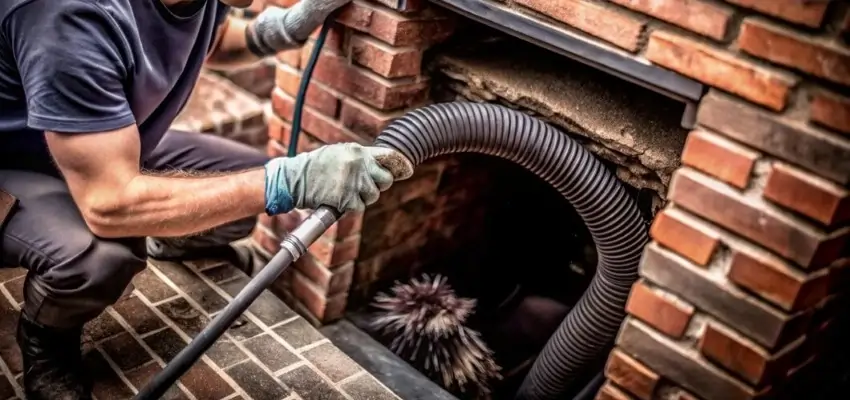
Surrey homeowners: Chimney Cleaning with drop cloths down

Flue brushed end to end: Chimney Sweep around Surrey
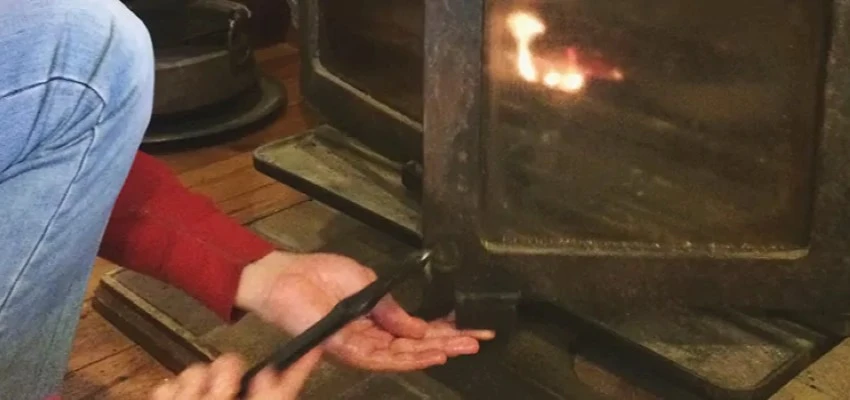
Smoky room or stuck damper? Chimney Sweep Services for Surrey
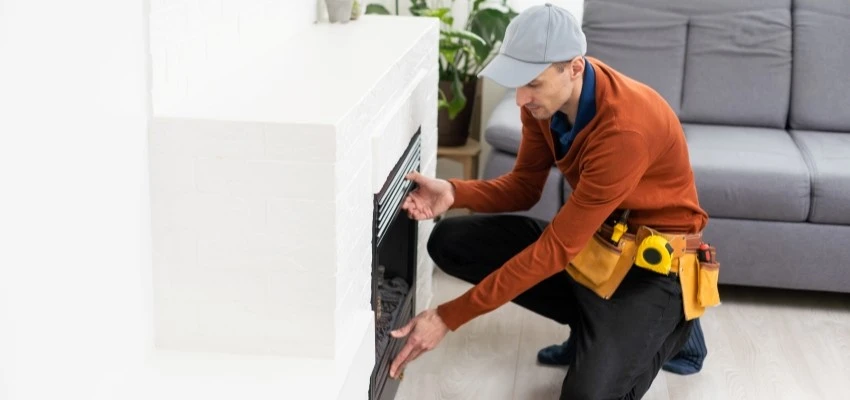
Wood units, stoves and inserts: Fireplace Experts serving Surrey
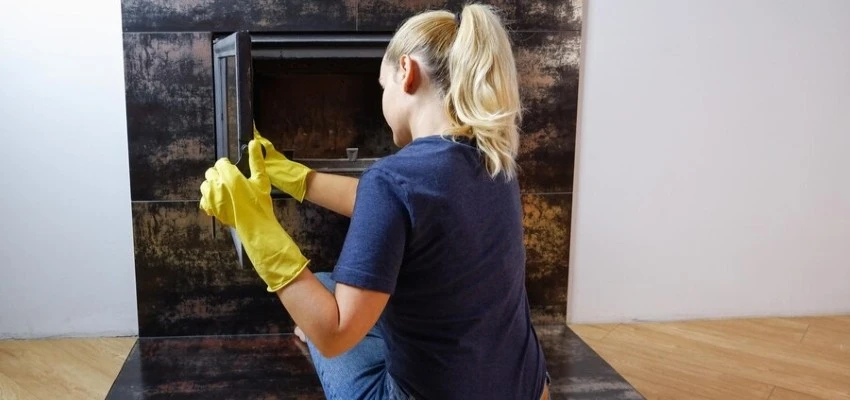
Glass film, cobwebs, dust: Gas Fireplace Cleaning across Surrey
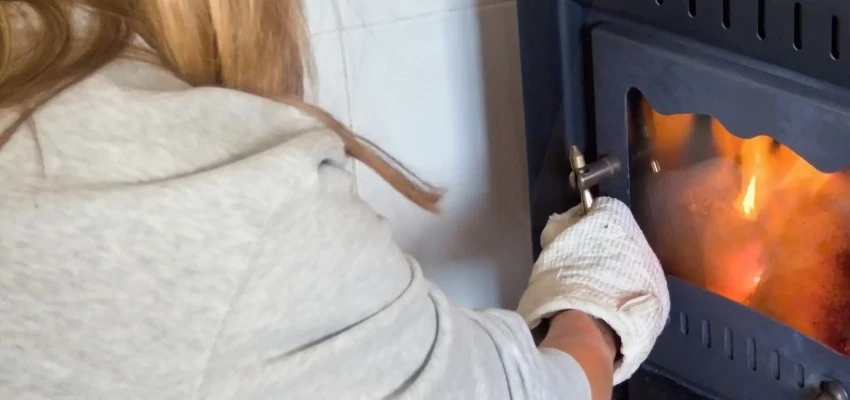
Gas Fireplace Maintenance: a checklist, not a quick wipe

