
Some households light a fire every evening all winter; others use theirs a handful of times a year. Both need attention, just on a different schedule. Whatever your routine, if you have been looking up “fix non-working fireplace”, this page explains fireplace troubleshooting and repair in a way that fits real homes around Surrey, from what wears out first to how often a technician should take a look at your fireplace.
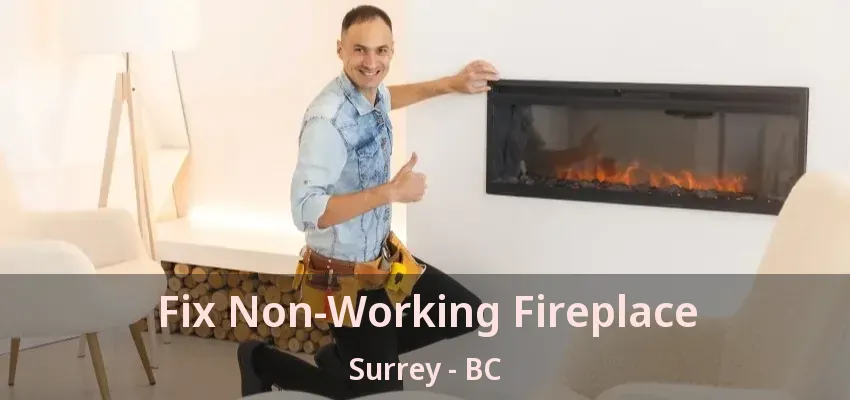
Our rule of thumb is to repair what is wearing and replace what is failing. Worn parts are expected after many fires: joints that need repointing, a damper handle that seized, a door rope that no longer seals. Failing parts are another matter. A stove top cracked from overfiring, a prefabricated firebox with burned-through panels and no parts available, or a chimney that needs rebuilding along with the fireplace all push the math toward replacement. Some owners of old masonry fireplaces choose a wood insert instead, which reuses the chimney while giving a tighter, more controllable fire.
Odor in warm months is one of the most common calls we get, and the cause is nearly always creosote reacting with humidity. Those deposits absorb moisture and release a stale campfire smell, which drifts indoors whenever the house draws air down the flue. We clean the flue to remove the source, check whether the damper seals and look at the cap, since rain soaking into soot makes things noticeably worse. In homes around Surrey where the problem keeps returning, a top-sealing damper that closes at the very top of the chimney is often the change that settles it.
The usual reasons are damp wood, too little air or a cold or blocked flue. Wood that has not dried long enough hisses and smolders instead of catching. A damper left partly closed, a fire packed too tightly or a house pulling air down the chimney starves the flame. A cold flue can push smoke back down until it warms, and a blocked cap or heavy creosote limits the draft further. If dry wood and a fully open damper do not solve it, a visit booked under “fix non-working fireplace” can check the flue, cap and air supply.
Smoke spills when the house wins a tug-of-war with the chimney. A warm chimney pulls air upward; anything that weakens that pull lets smoke roll out of the opening instead. On calls like this we check the damper first, then look up the flue for blockages, then consider the house itself, because range hoods, dryers and tight windows can make the home pull harder than the chimney. Sometimes the opening is simply too large for the flue, or the chimney is too short for nearby rooflines. Each cause has its own fix, from a smoke guard to a taller flue or a better air supply.
The signs that matter most are small physical changes: a brick that wobbles, crumbs of mortar on the hearth, a damper that needs a shove or a stain where none used to be. When homeowners call about one of those, we usually find it connects to something larger, such as rain entering through a cracked crown or heat slowly eating at the joints of the back wall. Gaps in the firebox matter most, since they can let heat reach the framing behind the masonry. Catching these early keeps the fix to a patch rather than a rebuild.

Cracked tiles are replaced one at a time when the base underneath is sound, and that base is the first thing we check. A single crack from a dropped log is a simple swap: we cut out the grout, lift the broken pieces, clean the bed and set a replacement using materials rated for the heat near a fire. Several cracks running in a line usually mean the hearth slab has shifted or the substrate is failing, and swapping tiles alone will not hold. Near the opening we avoid ordinary household tile adhesives, which can break down with heat and leave tiles loose again.
Diagnosis works through the system in order, from the simple to the hidden. The technician asks what happens when you light a fire, checks that the damper opens fully and looks for obvious debris. Next comes the flue, using a light or camera to look for nests, collapsed tiles or heavy deposits, and the cap and screen on the roof. Then the house itself is considered: fans, airtight windows and the size of the opening compared with the flue. Each step rules something out, so the repair targets the real cause instead of a guess.
The cost of fireplace repair depends on what is damaged, how far the damage has spread and how easy the area is to reach. A few loose firebricks or a new damper are smaller jobs; a full firebox rebuild, smoke chamber work or repairs to the chimney above the roofline involve more labor and materials. Matching older brick, tile or stone adds time, and so does fixing the cause, such as a leaking crown that let water in. Factory-built fireplaces depend on parts made for that model. Ask for a written scope so every quote covers the same work.
It depends on the chimney, and the decision is made on the day. Plenty of flues are swept from the firebox upward with rods, which keeps us off delicate roofing. We still like to see the top, because the cap, the crown and the last few feet of flue are where weather and animals cause trouble. On steep or slippery roofs, we may set a ladder at the eave and use a camera instead of walking the surface. Rain, ice and strong wind mean the roof portion waits for a better day. Either way, you should hear what the top looks like, not just the bottom.

When we know what to expect, we can usually plan everything for a single appointment. Share a few details about your home and your fireplace ahead of time. Plan fireplace troubleshooting and repair with Chimney Sweep Surrey and keep the disruption small.
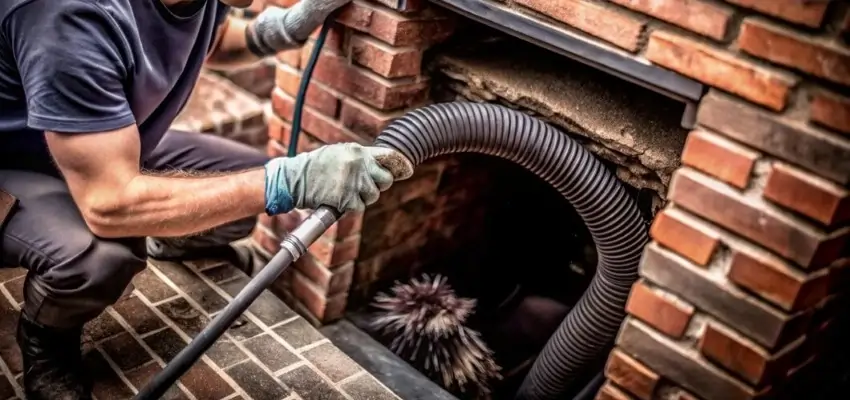
Surrey homeowners: Chimney Cleaning with drop cloths down
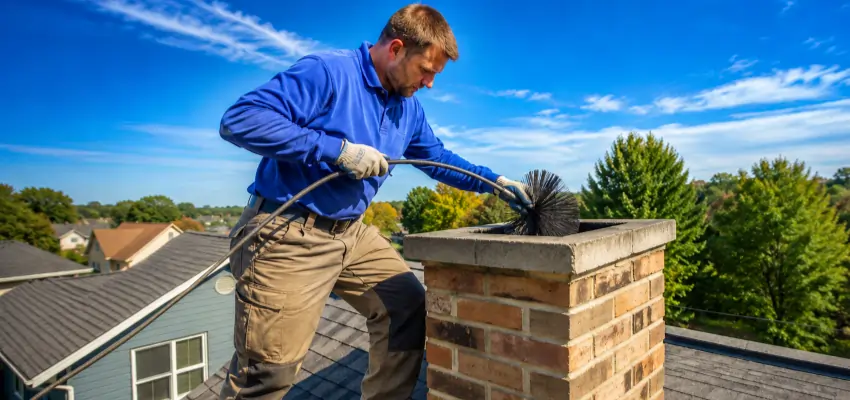
Flue brushed end to end: Chimney Sweep around Surrey
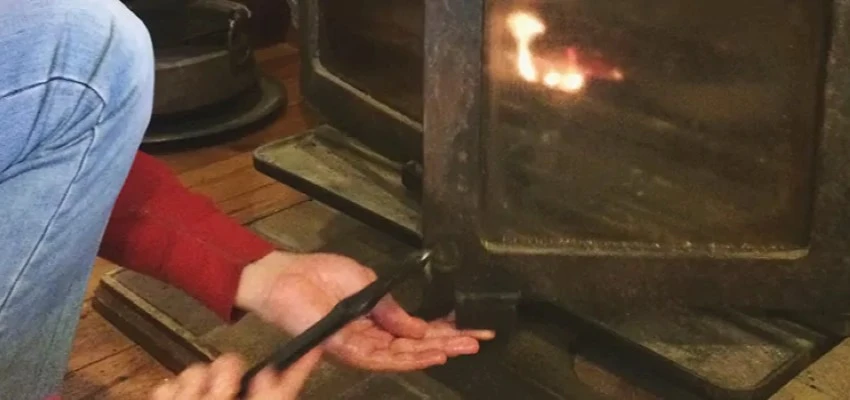
Smoky room or stuck damper? Chimney Sweep Services for Surrey
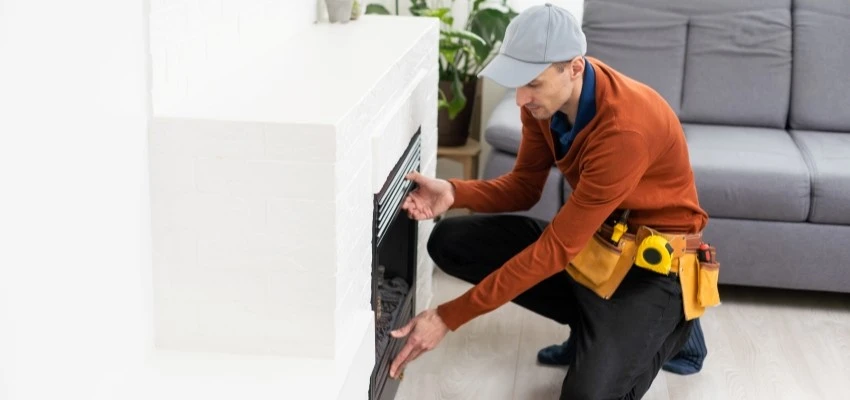
Wood units, stoves and inserts: Fireplace Experts serving Surrey
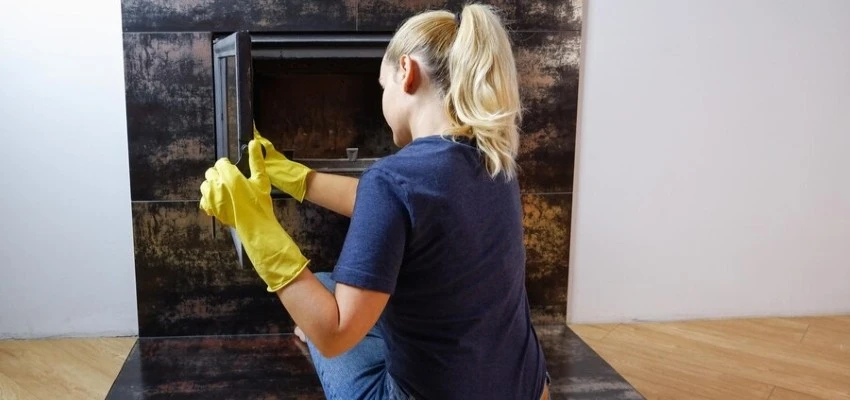
Glass film, cobwebs, dust: Gas Fireplace Cleaning across Surrey
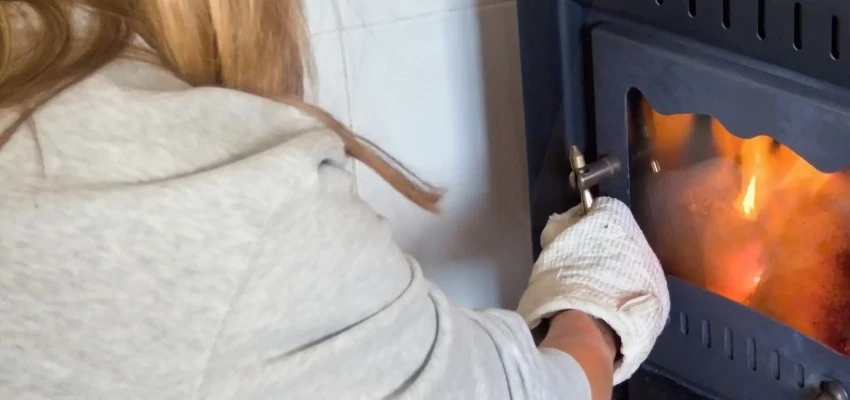
Gas Fireplace Maintenance: a checklist, not a quick wipe

