
Think of this page as a reference you can come back to. It covers the parts of owning a gas fireplace that cause the most confusion, from ignition and venting to remotes and routine care, and it explains where the homeowner’s role ends and the technician’s begins. If you landed here by searching for “gas fireplace embers” from Surrey, you will find honest detail about gas log and ember service and no pressure to book anything.
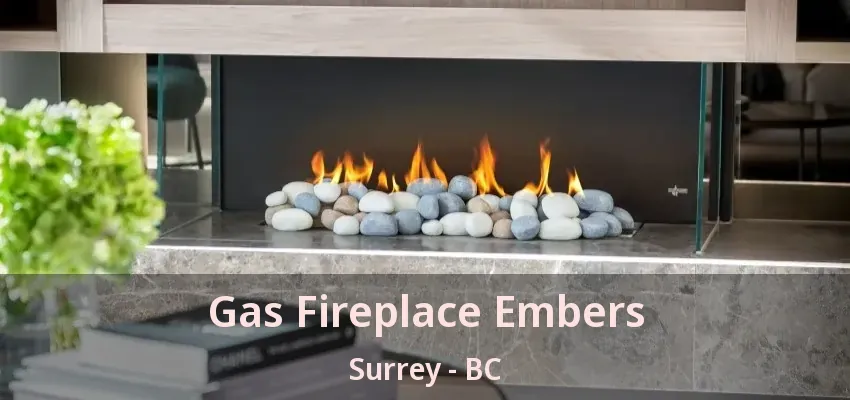
Embers add the warm, glowing bed that makes a gas fire look more like a real wood fire. Placed in small tufts near the burner ports, they catch the edge of the flame and glow orange, filling the gaps between or under the logs. Some fireplaces use glowing embers alongside logs, while modern designs may use glass, stones or other media instead. Embers are decorative, but their placement also affects how the flame burns, which is why manuals show exactly where they go. If you searched for “gas fireplace embers” to brighten a dull-looking fire, the condition and position of the embers is often the reason.
A gas fireplace works like a small heating appliance dressed up to look like a wood fire, with controls that decide when gas may flow and a flame source that lights it. When you press the switch, the control system confirms it is safe to proceed, the pilot or igniter supplies a flame and the main valve opens to feed the burner. A sensor sitting in the pilot flame, usually a thermocouple, thermopile or flame rod, proves the fire is there; without that proof, gas stops flowing. Older units run on a tiny current made by the pilot itself, while newer ones use batteries or household power. Knowing which design you own tells us where to look first when something fails.
Embers usually stop glowing because the material has broken down, has been moved away from the flame or has been packed too densely. Over time, heat makes the fibers brittle and dark, and vacuuming during cleaning removes small amounts each year. If they were nudged away from the burner ports, the flame no longer reaches them; if they were piled on, the flame may be partly smothered. A lower flame setting or a burner that is not getting full gas pressure can also leave embers dull. A technician can tell whether the embers need refreshing or the burner needs attention.
Healthy flames in most gas fireplaces are steady, yellow-orange across the top and blue near the burner, with an even height from side to side. Many models are designed to show lazy yellow flames for a natural look, so color alone is not a warning sign. What deserves attention is a change: flames that suddenly turn tall and smoky, lift off the burner, lean hard in one direction or shrink to a low blue strip. Weak flames can come from low gas pressure, a flame-height setting turned down or a clogged burner. If you notice soot, a strange odor or a flame that looks different from last season, book a check.
We check for leaks with an electronic detector and leak solution at every visit, and the routine is quick and methodical. With the access panel off, we pass the detector slowly along each fitting, from the shutoff valve to the control and pilot lines, and confirm any reading with leak solution, which forms a steady cluster of tiny bubbles at the exact spot. Fittings disturbed during earlier repairs, connectors that have been bent repeatedly and older valves are where we tend to find trouble. A leak gets repaired before the fireplace is relit, never left for later. Where the house piping itself is suspect, a separate pressure test may be recommended.

Repairing a gas fireplace starts with diagnosis, which is most of the job. We start by asking what the fireplace did before it failed, then watch it attempt to light while checking voltages, spark and gas flow at each stage. That sequence usually narrows the problem to one component fairly quickly. The culprits we replace most often are pilot sensors, igniters, battery packs and remote receivers, followed by valves and glass gaskets. We note the details from the rating plate so any part we order fits correctly. Once the repair is done, we relight, test the safety shutdown and leak-check every fitting we touched.
Repair or replacement comes down to three things we check before recommending either path: the condition of the firebox and burner, whether parts are still available and how the fireplace has behaved over recent seasons. A solid unit with one failed part is almost always worth fixing. A unit with a corroded burner, a warped firebox or a discontinued valve is a different conversation, since each repair may cost more and buy less time. We also consider venting, because a new fireplace may need changes there too. Whatever we find, we lay out both options plainly and leave the decision with you.
A common guideline is to have working carbon monoxide alarms on every level of the home and outside each sleeping area, including the floor with the gas fireplace. Follow the alarm maker’s instructions for exact placement, since some advise against mounting one right beside fuel-burning appliances, where brief readings at startup can trigger false alarms. Many households test alarms monthly, replace batteries as directed and replace the whole unit when it reaches the end of the life printed on it. If an alarm sounds, get everyone outside into fresh air and call for help, and do not go back in until the cause is known.
Gas fireplace embers should be replaced when they look thin, have darkened or no longer glow the way they did when the fireplace was new. Most glowing embers are a fluffy mineral wool that gradually breaks down from heat and gets disturbed during cleaning, while some fireplaces use vermiculite, lava rock or glass media instead. Only use the ember material listed for your model, placed in the spots the manual shows, usually near the burner ports but never covering them. Too much material can block gas flow and cause soot. Many owners refresh embers during the yearly service, when the glass is already off.
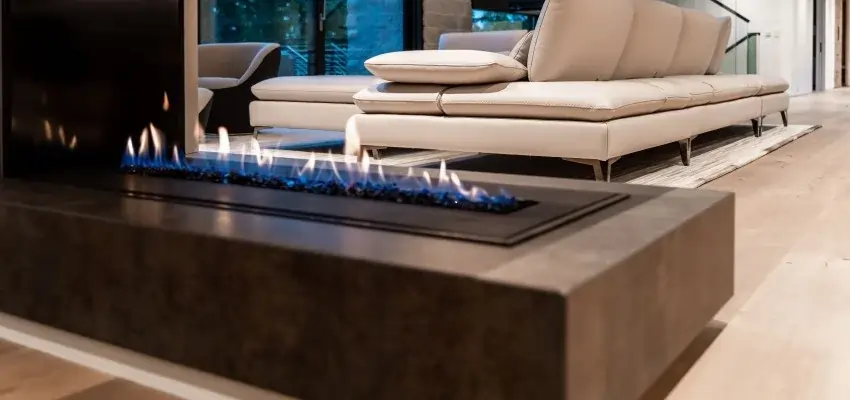
Sometimes the right call is a small fix, sometimes a bigger job and sometimes nothing at all. We tell you which one applies to your gas fireplace and why. Ask Chimney Sweep Surrey for advice and decide in your own time.
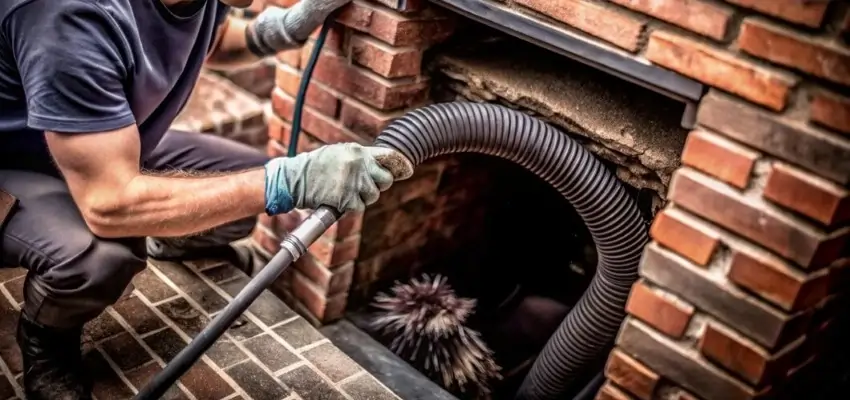
Surrey homeowners: Chimney Cleaning with drop cloths down
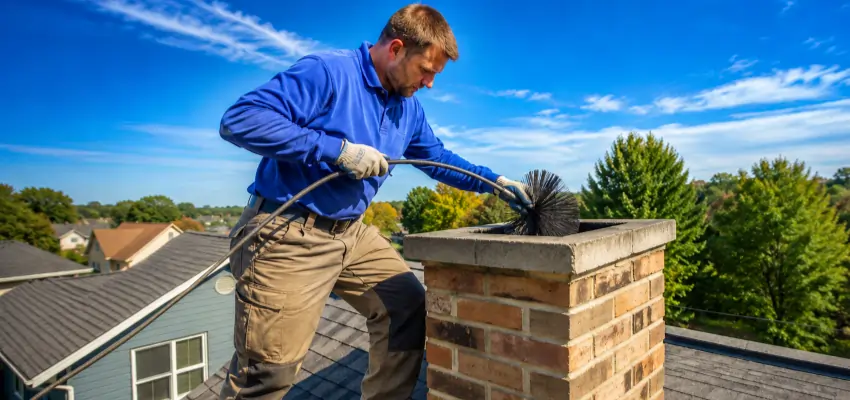
Flue brushed end to end: Chimney Sweep around Surrey
Smoky room or stuck damper? Chimney Sweep Services for Surrey
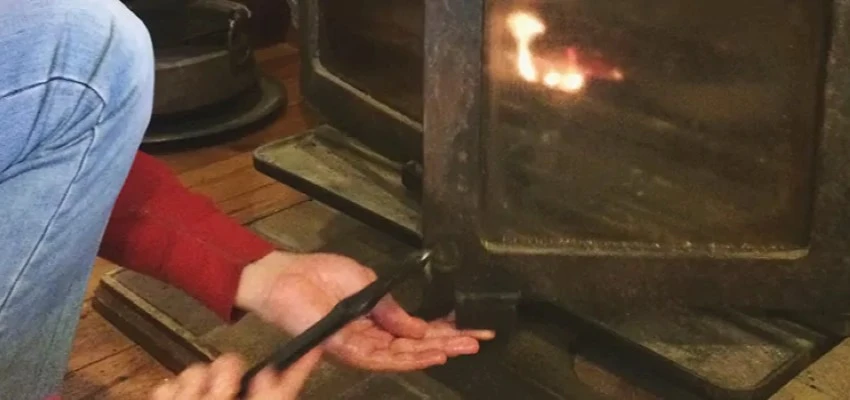
Wood units, stoves and inserts: Fireplace Experts serving Surrey
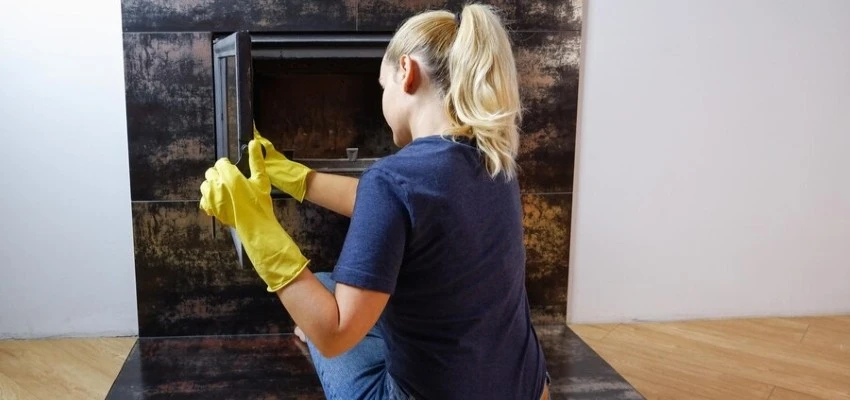
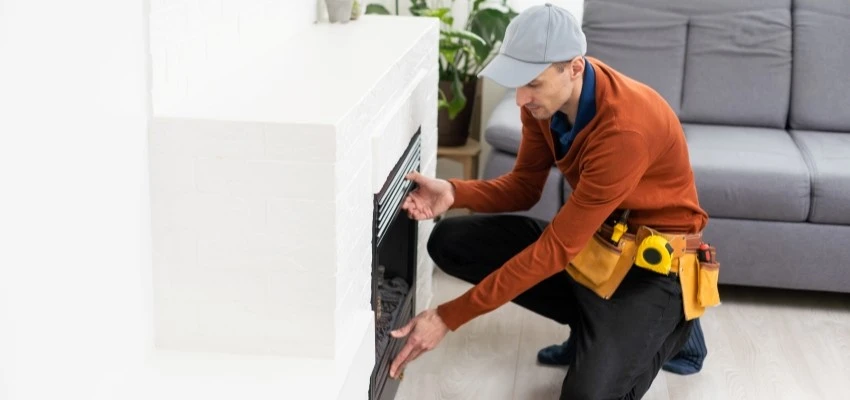
Glass film, cobwebs, dust: Gas Fireplace Cleaning across Surrey
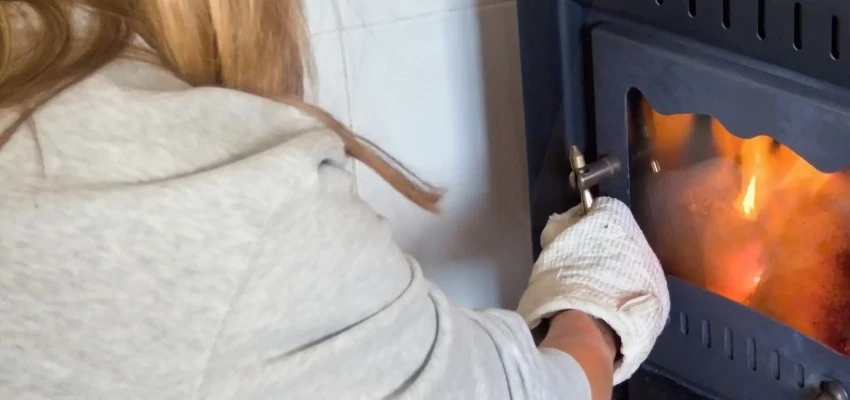
Gas Fireplace Maintenance: a checklist, not a quick wipe

