A gas fireplace is supposed to be the easy kind of fire: press a button, enjoy the flame, switch it off. When it hesitates, sputters or refuses to start, the questions pile up quickly. If you searched for “gas fireplace repair”, this page gathers the answers homeowners around Surrey ask most often, written in plain language. You will find how these units work, what a technician looks at on a typical gas fireplace troubleshooting and repair visit and which simple checks you can make without touching any gas parts.

Yes, regular service is worth it, because most of the faults we are called out for start small and grow quietly. A pilot slowly coated with dust burns weaker each season until its sensor no longer gets hot enough. A vent cap with a bird nest or spider webs restricts exhaust. Glass gaskets dry out and stop sealing evenly. None of these announce themselves, and a homeowner rarely sees them from the front of the unit. A routine visit once a year lets us clean, measure and adjust before the fire becomes unreliable, and it gives you a chance to mention anything that has seemed different lately.
A short delay is normal on many fireplaces with electronic ignition, because the system first proves the pilot before opening the main burner valve. That sequence often takes a few seconds and may include clicking. A delay that grows longer over time, many clicks before lighting or a soft whoomp when the burner catches suggests a problem: weak batteries, a dirty igniter or pilot, or a flame sensor that is slow to confirm the flame. On some remote systems, a weak handheld signal adds a pause too. Note how long the delay lasts and whether it has changed, and share that when you book a visit.
Most remotes that stop working have a simple cause, usually power or pairing, and remote complaints are among the most frequent calls we get. Receivers are often tucked into the warm space under the firebox, and their batteries drain faster there than people expect. A handheld that was dropped, or fresh batteries inserted the wrong way round, can also lose its link. We check battery voltage at both ends, confirm the receiver switch setting and resynchronize the pair. If that fails, we test whether the valve responds when the receiver is bypassed, which tells us whether the fault lies in the remote system or in the fireplace itself. Sometimes a worn receiver simply needs replacing.
Good flames rise evenly from the burner ports, dance a little and stay clear of the glass, and we judge them by shape and steadiness as much as by color. When flames roll toward one corner, the vent may be drawing unevenly or a gasket may be letting air in. Flames that are short and pale often mean the burner is not getting full gas pressure, while tall, dirty-orange flames that leave soot suggest too little air. Comparing what we see with the description in the owner’s manual tells us whether the fire is behaving as intended or needs correction.
If you smell gas near a fireplace, leave the home right away and call the gas utility, your propane supplier or 911 once you are outside. The rotten-egg or sulfur odor is added to the fuel on purpose so that leaks get noticed. Do not switch lights, the fireplace or any appliance on or off, do not use a phone indoors and do not try to find the source. Get people and pets out and stay at a safe distance until the utility says it is safe to go back in. A qualified gas technician should repair the fireplace before it is used again.
Fireplace glass usually cracks from heat stress, an impact or a problem with how it was mounted. A cold drink spilled on hot glass, a toy thrown against it, a frame that was overtightened or flames striking the glass from misplaced logs can all do it. Cracked glass should not be used, since the firebox is no longer sealed and the panel could fail further while hot. Replacement glass must be the heat-rated assembly specified for your fireplace, never ordinary window glass, and it needs a proper gasket seal. A “gas fireplace repair” visit can confirm the right part and install it safely.
Most gas fireplace repairs involve the pilot assembly, a thermocouple or thermopile, the igniter, a remote receiver, the control valve or the glass and its gasket, and each one starts with confirming the exact fault. The part responsible is then cleaned or replaced and the whole unit is tested afterward. Some faults turn out to be simple, such as dead batteries or a switched-off receiver. Parts should match the make and model, since gas components are not interchangeable from one fireplace to the next. A sound repair ends with a leak test and a full burn cycle.
Most of our service visits run about an hour from setup to final test, and the cooling time is what people forget. Glass on a fireplace that ran that morning can still be hot enough to burn, so we ask homeowners to leave it off for a few hours beforehand. Units packed with dust, logs that need resetting or a gasket that has to be replaced add time. For repairs, we give an estimate once we know the fault. If a part is not on the truck, we make the fireplace safe, order the correct part and book a return visit.
It depends on the symptom, but when in doubt, leave the fireplace off until it has been checked. Stop using it right away if there is a gas smell, black soot, a carbon monoxide alarm, cracked glass, flames escaping the firebox or a pilot that keeps going out. For a gas smell, leave the home and call the utility from outside. Lesser issues, such as a remote that responds slowly or a noisy fan, are usually fine to live with for a short time. Do not open panels or attempt fixes on gas parts while you wait; simply keep the area clear and your carbon monoxide alarms working.
That is a smart move. Ask each company what is included, how long the visit takes and what you will be shown afterward. We are happy to answer those questions in writing. Request a detailed quote from Chimney Sweep Surrey for your home in Surrey.
Surrey homeowners: Chimney Cleaning with drop cloths down
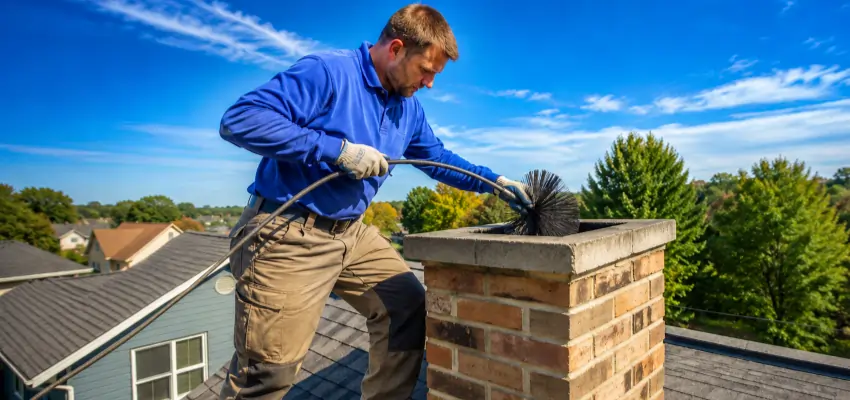
Flue brushed end to end: Chimney Sweep around Surrey
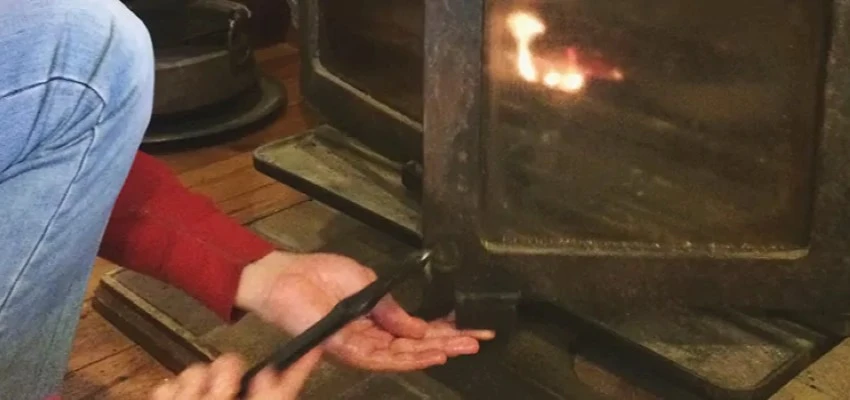
Smoky room or stuck damper? Chimney Sweep Services for Surrey
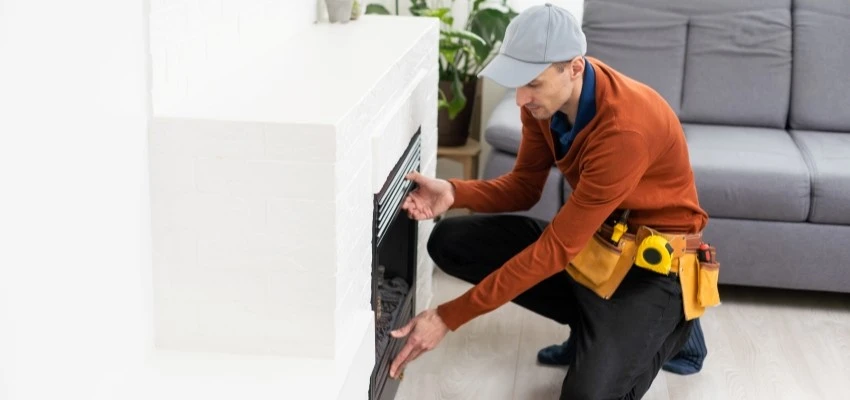
Wood units, stoves and inserts: Fireplace Experts serving Surrey
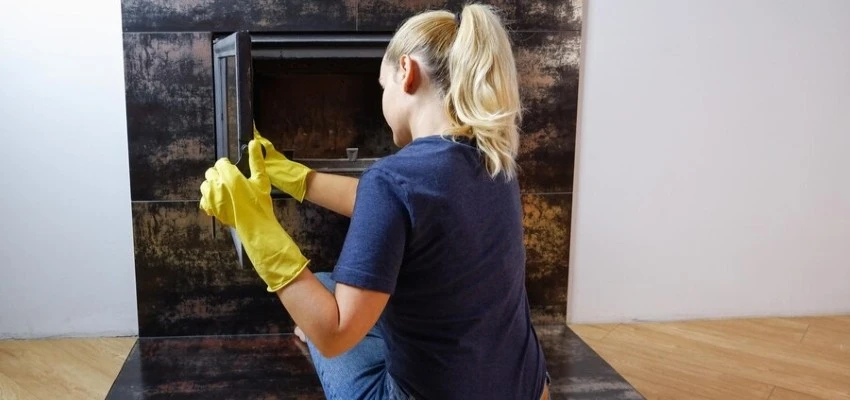
Glass film, cobwebs, dust: Gas Fireplace Cleaning across Surrey
Gas Fireplace Maintenance: a checklist, not a quick wipe