Many people assume only the store that sold their fireplace can repair it. In practice, independent technicians work on a wide range of brands, guided by the model label and the manufacturer’s instructions. If you searched for “kingsman fireplaces repair” because you were not sure who to call in Surrey, read on. You will see how Kingsman gas fireplace repair usually unfolds, which details speed things up and which warning signs mean the unit should stay off until someone has looked at it.

Often, yes, especially when the body of the unit is sound and parts are still available. Worn gaskets, a tired thermocouple, a cracked firebrick or a noisy blower are routine repairs that can give an older fireplace many more seasons. Replacement deserves a conversation when the firebox is rusted through or cracked, when key parts such as the gas valve or ignition system are no longer made, or when the unit has been damaged by water or overheating. Ask the technician to explain both paths in plain terms, including how long each is likely to last, before you decide.
A lazy, yellow or sooty flame usually means the burner is not getting the air mix it was designed for. In a direct vent unit, common causes are logs or media shifted out of position, dust and debris in the burner ports, a vent pipe that has separated or a termination outside that is partly blocked by plants, snow or a nest. Soot on the glass is the visible sign. Turn the fireplace off, keep your carbon monoxide alarms working and book a check, mentioning when the change began. Venting faults on a sealed system need a qualified gas technician, not a quick adjustment.
Most branded fireplaces wear out in predictable places, whatever name is on the front. Typical problems include:
None of these is unusual, and most can be repaired once the cause is confirmed.
A rotten-egg smell, a strong smoky odor in the room, a bang or whoosh when the burner lights and a grinding blower are the ones to take seriously. If you smell gas, do not touch switches or the fireplace controls; leave the home and call your gas utility from outside. For a delayed, booming ignition or smoke that keeps escaping, stop using the unit and book a check. Some sounds and smells are normal, though: light ticking as metal heats and cools, and a paint or oil smell during the first fires after new parts are fitted. Working carbon monoxide alarms add an extra layer of protection.
The cost of fireplace repair depends mainly on the part involved, how hard it is to reach and how long diagnosis takes. A worn gasket or thermocouple is a modest job, while a control module, gas valve or blower buried deep inside an insert takes more time and a costlier part. Older or discontinued models can add time spent tracking down the right component, and some repairs need a second visit once the part arrives. Ask for a quote that separates labor from parts and explains what is included, so you can compare offers fairly.

Specific symptoms help most, along with the label information and the age of the unit if you know it. “It will not turn on” could mean no spark, a pilot that lights and drops out or a burner that never follows; each points somewhere different. Tell us whether the fireplace runs on a remote, a wall switch or a thermostat, whether it has power to it and when it was last serviced. For wood stoves, mention how the fire behaves and what wood you burn. Short videos of the startup are surprisingly useful, since they let us hear and see the sequence.
The most helpful thing is a cold, clear fireplace. We cannot safely open a unit that is still hot, so a gas fireplace switched off a few hours early and a stove left unlit since the day before save real time. We also need room to lay down drop cloths and set out tools, which means moving furniture, mantel décor and anything on the hearth. Outside, a clear route to the vent cap helps. If your fireplace has a wall switch, remote or thermostat, keep it handy. Pets tend to be happier in another room while panels come off.
Keep it simple and stay on the outside of the unit. Dust the louvers and the area around the fireplace when it is cool, keep the outside vent cap clear of snow, leaves and plants, and replace remote batteries before the heating season. Look at the flame now and then: blue at the base with soft yellow tips is typical, while dark soot or a changing flame is worth reporting. Note anything unusual and when it started. Booking a yearly check, rather than waiting for a “kingsman fireplaces repair” search in midwinter, catches worn parts while the fireplace is still working.
Most remote problems come down to batteries, either in the handheld unit or in the receiver that sits near the fireplace controls. With the fireplace off and cool, replace both sets first, since a weak receiver battery can mimic a failed remote. Many systems also need the remote and receiver paired again after a battery change or power outage, and the owner’s manual explains the steps. If the fireplace still does not respond, try the wall switch or manual setting if it has one. When nothing works, the receiver, module or valve may need attention from a qualified gas technician.

You do not need to know the right terms before you call. Describe the problem in your own words and we will translate it into a plan for your fireplace. Reach us at (778) 910-9127 or ask for a quote online, whichever is easier for you.
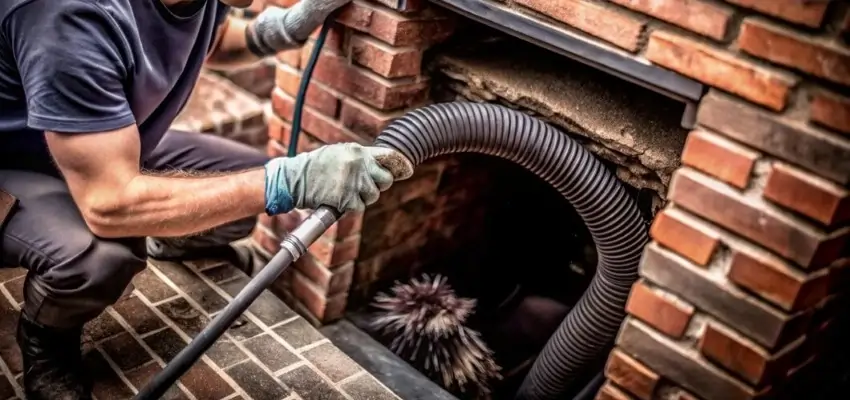
Surrey homeowners: Chimney Cleaning with drop cloths down
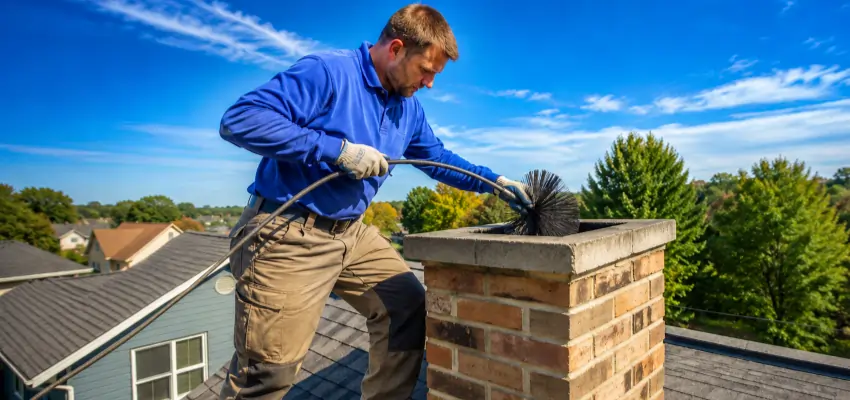
Flue brushed end to end: Chimney Sweep around Surrey
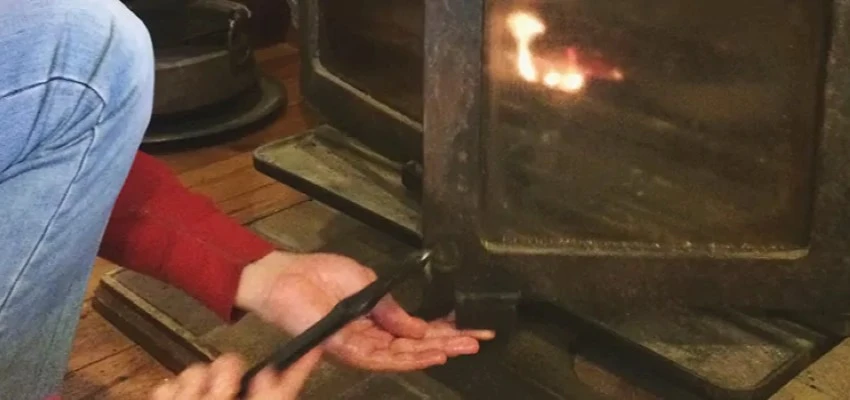
Smoky room or stuck damper? Chimney Sweep Services for Surrey
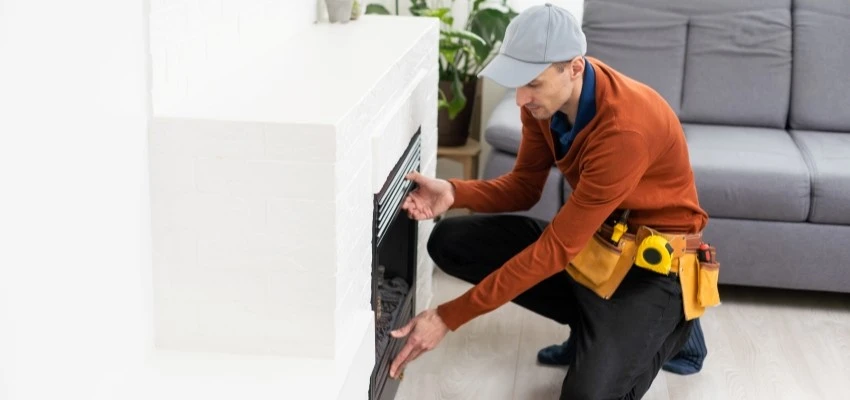
Wood units, stoves and inserts: Fireplace Experts serving Surrey
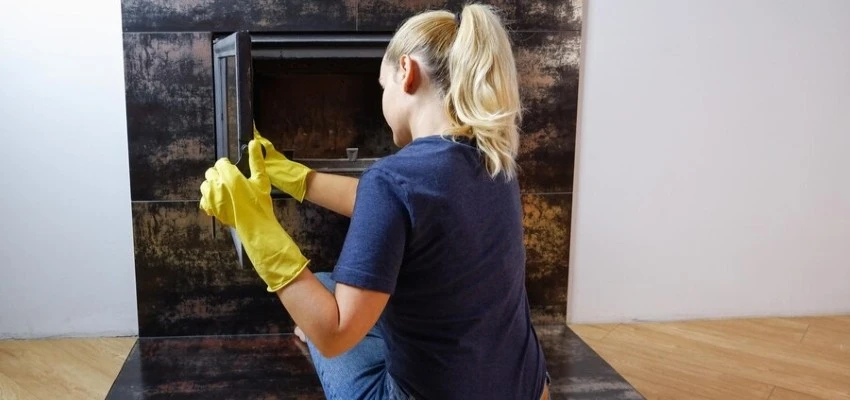
Glass film, cobwebs, dust: Gas Fireplace Cleaning across Surrey
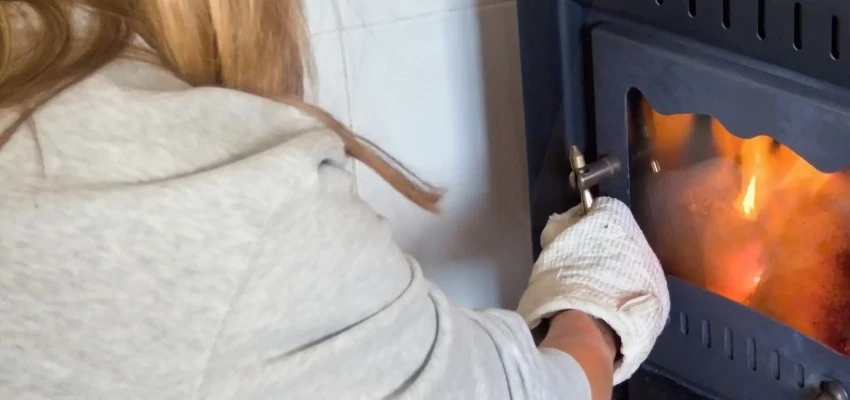
Gas Fireplace Maintenance: a checklist, not a quick wipe