Plenty of homes rely on a fireplace or stove that a previous owner installed, often with no manual in the drawer and no record of past service. If that describes your house and you typed “majestic fireplace repair” to find help, you have come to a sensible starting point. The answers below explain how technicians identify an older unit, where replacement parts come from and when Majestic fireplace and insert repair makes more sense than replacing the whole thing, written for homeowners in Surrey.

Many Majestic fireplaces in homes are factory-built units that have been in place for a long time, so the first question is how the original parts have held up. Common needs include replacement refractory panels, glass door gaskets, damper repairs on wood models and ignition parts on gas models. Because brands change ownership and product lines over the years, a technician tracing parts for an older unit relies on the rating label rather than the name alone. If your “majestic fireplace repair” search began with a fireplace that came with the house, that label is the first thing to find.
Only in the details; the principles carry over. A thermocouple on one gas fireplace does the same job as on another, yet the mounting, length and connection can differ, and an electronic ignition board from one generation rarely fits the next. Wood stoves are similar, since baffles, air tubes and door latches vary by model even inside one product line. In practice, the first few minutes of every visit go to confirming exactly what we are looking at. After that, the diagnosis follows a routine any trained technician would recognize, and parts are matched to the model, not to the brand in general.
The repairs we make most often follow the way each unit is used. Gas fireplaces that cycle on and off all winter wear out their ignition parts: thermocouples and thermopiles weaken, spark electrodes corrode and control modules eventually give up. Blower motors collect dust and start to rattle. Wood stoves take more physical punishment, so we replace door gaskets, firebricks and baffle boards that have cracked or sagged from heat. Glass gets attention on both types. None of this points to a bad brand; it is ordinary wear on equipment that works hard for months at a time.
A pilot that will not stay lit usually points to a weak flame sensor, a pilot assembly clogged with dust or a draft problem in the venting. On many fireplaces, a small sensor called a thermocouple or thermopile sits in the pilot flame and holds the gas valve open; when it wears out or the flame no longer reaches it, the valve shuts. Low gas supply and a blocked vent can cause the same symptom. Leave the unit off rather than relighting it again and again, and book a technician. If you ever smell gas, leave the home and call your gas utility from outside.
In a factory-built wood fireplace, the damper is a metal plate near the top of the firebox, opened with a handle, rod or chain. Over time the pivot can rust or seize, the plate can warp and the control linkage can bend or snap. A technician first checks whether the damper opens fully and closes reasonably tight, then looks for the cause: rust, debris resting on top or a broken handle. Many of these parts are replaceable using the model’s parts list. A damper stuck partly shut needs fixing before the next fire, because it can push smoke into the room.

Our gas fireplace checklist starts with safety and ends with appearance. First come the gas connections, tested for leaks, and the venting, inspected inside and at the outside cap. Then the ignition: pilot or spark, sensor output and how quickly the main burner lights. We clean dust and lint from the burner ports and the control area, since blockages cause lazy flames and soot. Logs, rocks or glass media go back exactly as the manufacturer drew them. Finally, we run the unit long enough to watch a steady flame and confirm the blower and controls respond.
A repair visit usually follows a clear sequence, starting with diagnosis. The technician asks what you have noticed, reads the model and serial label and makes sure the unit is cool and safe to open. On a gas fireplace, that means watching the ignition sequence, inspecting the pilot, burner and venting and checking connections for leaks. On a wood unit, it means looking at seals, baffles, firebricks and the flue connection. Once the cause is found, you should hear what failed, what the fix involves and whether a part has to be ordered. Simple repairs are often finished the same visit.
Once a year suits most households, and we adjust from there. A gas fireplace that runs every evening through the colder months collects more dust in the burner and more wear on its ignition than one lit a few times a season. A wood stove used as a main heat source may need its flue swept more than once in a winter. We note what we find at each visit, such as how dirty the burner was or how much creosote came out, and suggest the next date from that. Your manual’s recommendation is the baseline; your usage fine-tunes it.
After a repair, the unit should start and run normally, though a brief smell from new parts, gaskets or paint is common during the first hour or two of use. Open a window and let the fireplace run for a while to help it burn off. Ask the technician what was replaced and keep that note with your manual. Watch the flame or fire for the first few uses: it should look steady and clean, without soot on the glass. If the original problem returns or a new symptom appears, call back promptly rather than waiting for it to settle.

You can contact us just to ask whether a visit makes sense. If the answer is no, we will say so. If it is yes, we will explain why. Reach Chimney Sweep Surrey at (778) 910-9127 for an honest opinion about your fireplace.
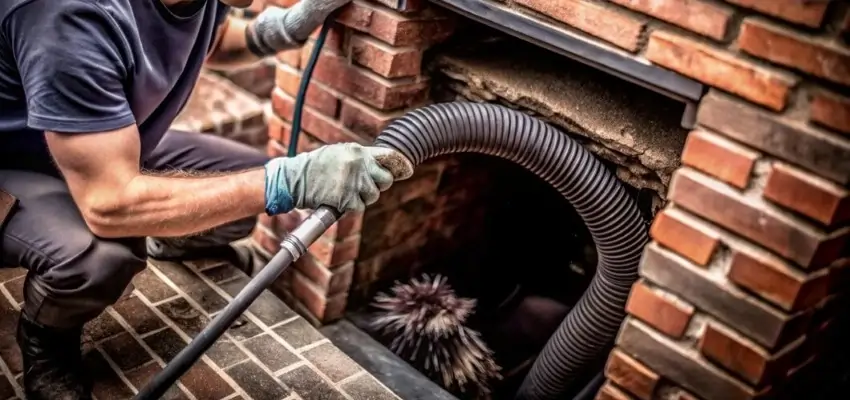
Surrey homeowners: Chimney Cleaning with drop cloths down

Flue brushed end to end: Chimney Sweep around Surrey
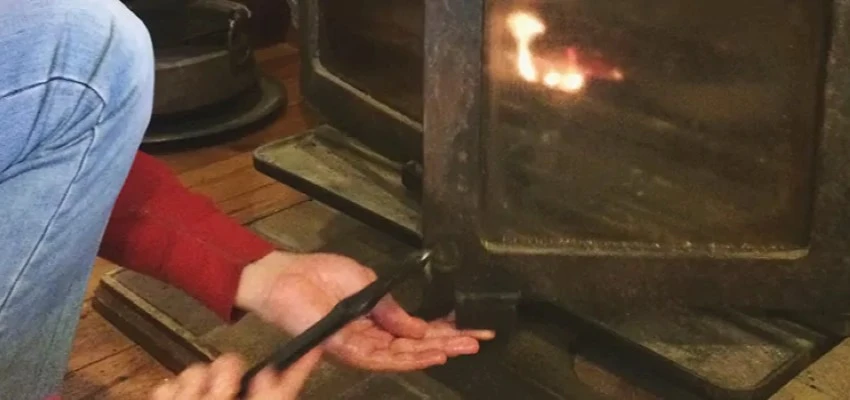
Smoky room or stuck damper? Chimney Sweep Services for Surrey
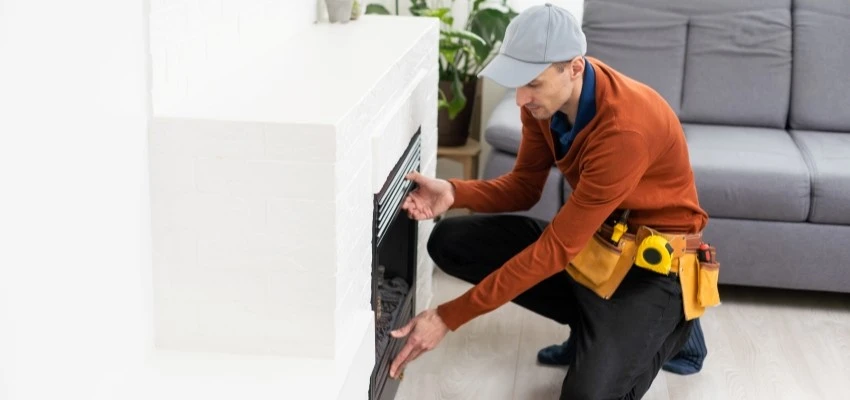
Wood units, stoves and inserts: Fireplace Experts serving Surrey
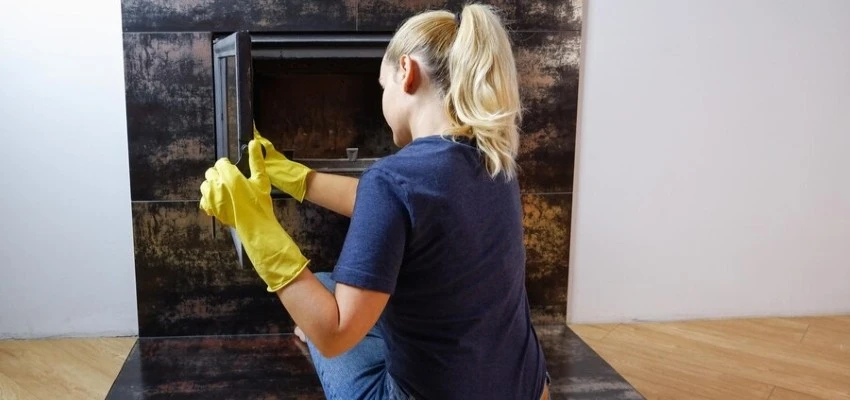
Glass film, cobwebs, dust: Gas Fireplace Cleaning across Surrey
Gas Fireplace Maintenance: a checklist, not a quick wipe