A fireplace or stove is often the coziest heat source in a home, and also one of the least understood. Behind the glass and the decorative trim sit valves, sensors, gaskets and baffles that each wear out at their own pace. If “quadra-fire fireplace” is the phrase that brought you here, what follows gives households around Surrey a practical overview of Quadra-Fire stove and fireplace service, from the first warning signs to the questions worth asking before any work begins.
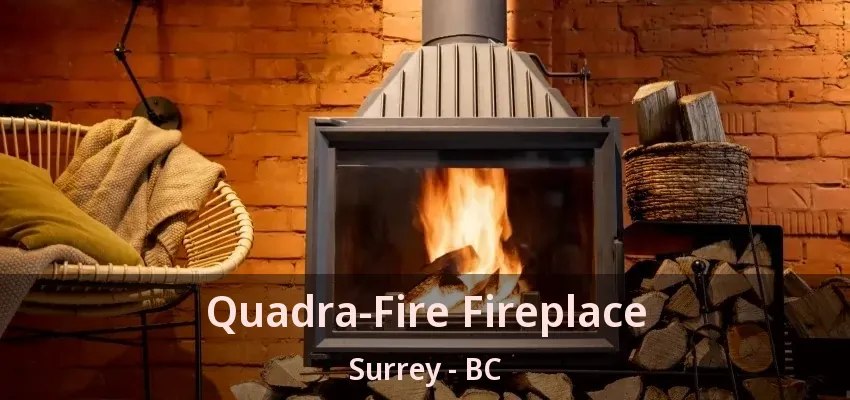
No, an experienced fireplace technician can usually take on the job, dealer or not. On site, the badge on the front matters less than what sits behind the access panel: the valve and ignition design on a gas unit, or the baffle, air controls and gaskets on a wood stove. We read the label, pull up the manual for that model and check its parts list before ordering anything. When a repair calls for a component only the manufacturer supplies, we order that component rather than improvising. Asking a technician which brands and fuel types they see most often is a fair question before you book.
Cloudy glass can be harmless or a clue, depending on its color. The chalky white film we see on gas fireplaces builds up gradually and mostly affects appearance, though left for years it can bake on for good. Black soot is the one we pay attention to, because carbon forms when the flame is not getting the air or gas mix it needs. That sends us to the burner ports, the log or media layout and the vent. On wood stoves, dark glass after every fire usually points to low air settings or firewood that has not dried long enough.
Smoke coming into the room usually means the stove is not drafting well or is leaking around its seals. Common causes include a door gasket that has flattened, a cracked glass seal, a partly blocked flue or chimney cap, a chimney that is still cold when the fire is lit and wet firewood that smolders instead of burning. Opening the door quickly can also pull smoke out. Open the air control and crack the door slowly before loading. If smoke keeps escaping, stop using the stove, have it and the chimney checked and make sure your carbon monoxide alarms work.
A stove that heats the room less than it used to is usually either burning poorly or losing heat up the chimney. In wood units, wet firewood, leaky gaskets and a dirty or damaged baffle are common reasons. In pellet units, a burn pot crusted with ash, poor-quality pellets or a dirty exhaust path choke the fire. Gas units can lose output when the burner or pilot is dirty or the gas pressure is off. Write down how the fire looks and how long it has been happening, then book Quadra-Fire stove and fireplace service so the technician can test rather than guess.
Our gas fireplace checklist starts with safety and ends with appearance. First come the gas connections, tested for leaks, and the venting, inspected inside and at the outside cap. Then the ignition: pilot or spark, sensor output and how quickly the main burner lights. We clean dust and lint from the burner ports and the control area, since blockages cause lazy flames and soot. Logs, rocks or glass media go back exactly as the manufacturer drew them. Finally, we run the unit long enough to watch a steady flame and confirm the blower and controls respond.
Specific symptoms help most, along with the label information and the age of the unit if you know it. “It will not turn on” could mean no spark, a pilot that lights and drops out or a burner that never follows; each points somewhere different. Tell us whether the fireplace runs on a remote, a wall switch or a thermostat, whether it has power to it and when it was last serviced. For wood stoves, mention how the fire behaves and what wood you burn. Short videos of the startup are surprisingly useful, since they let us hear and see the sequence.
Yes, and we often ask for them. A picture of the label tells us the exact model, so we can check the parts list before setting out. A photo of sooty glass, a lazy yellow flame or a cracked firebrick narrows the problem. Video is even better for ignition faults, since the sequence of clicks, sparks and flames says a lot about which part is failing. Pictures also help with quoting, because we can see how the unit is built in and how much access we will have. We still confirm everything in person before recommending a repair.
Look for a rating label, usually a metal plate or heat-resistant sticker fixed near the controls or on the back. On built-in gas units, we often find it hanging on a small chain behind the bottom grille, or riveted to the side of the control compartment. Stoves tend to carry theirs on the rear panel or the underside. That label is the single most useful thing you can share, because it gives the exact model, the fuel type and the listing details we need before ordering parts. A sharp photo taken in good light saves a lot of back-and-forth.
Any technician experienced with the type of unit you own, whether it burns wood, gas or pellets, can work on it by following the manufacturer’s instructions for that model. Chimney Sweep Surrey is an independent service company with no affiliation to the brand; we identify your unit from its label and use the parts its manual lists. When you compare companies after a “quadra-fire fireplace” search, ask which fuel types they service, since pellet and gas work call for different skills from wood stove work. A clear answer and a willingness to look up your model are good signs.
If you can safely snap a picture of what worries you, mention it when you get in touch. It helps the technician bring the right tools and plan the visit. Reach out to Chimney Sweep Surrey and we will tell you how to share it.
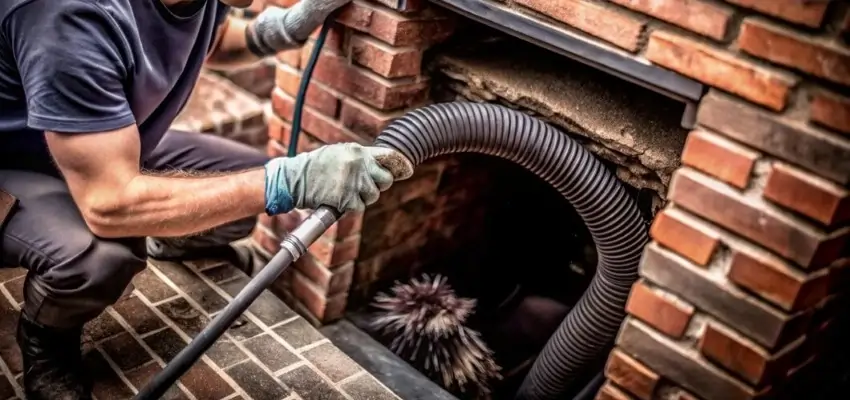
Surrey homeowners: Chimney Cleaning with drop cloths down
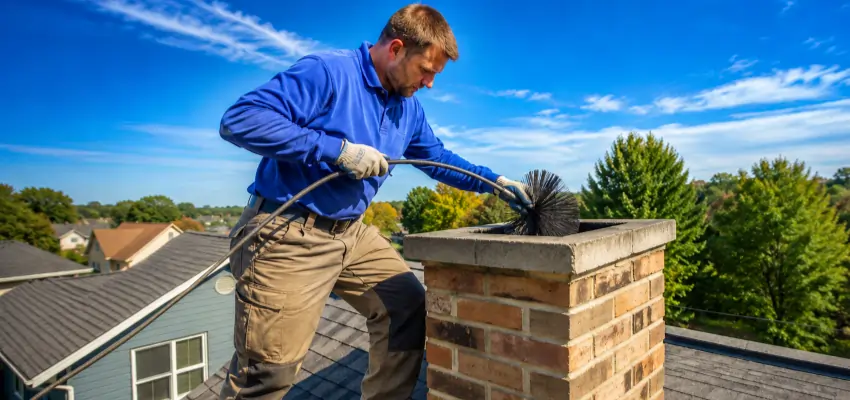
Flue brushed end to end: Chimney Sweep around Surrey
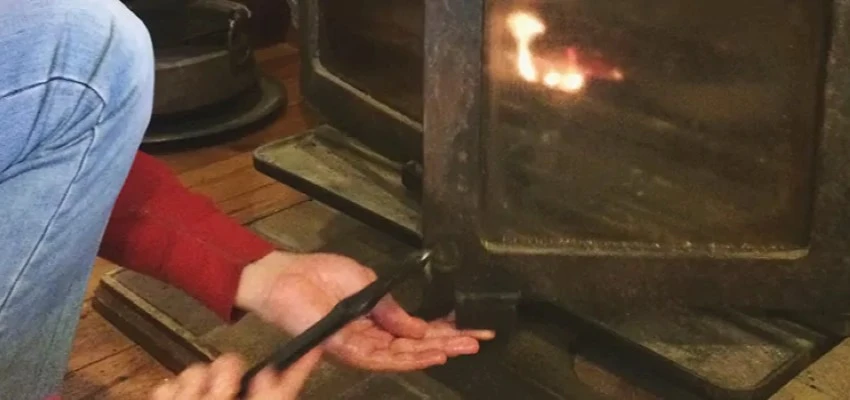
Smoky room or stuck damper? Chimney Sweep Services for Surrey
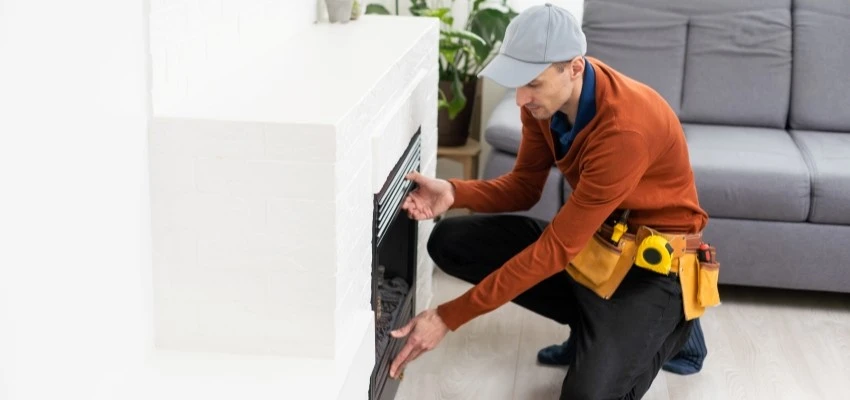
Wood units, stoves and inserts: Fireplace Experts serving Surrey
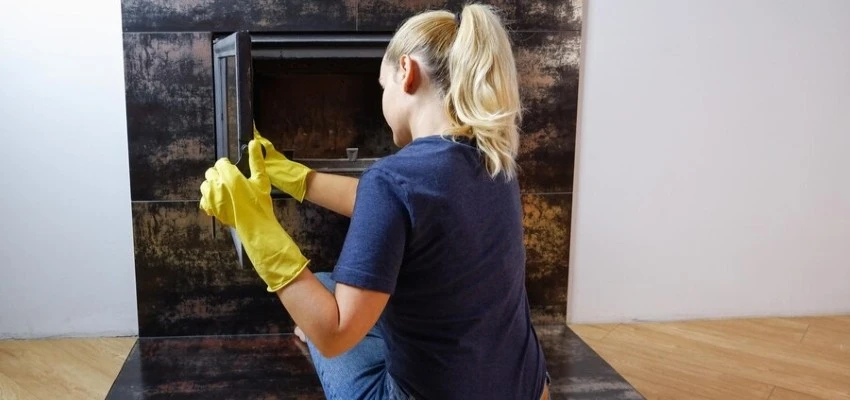
Glass film, cobwebs, dust: Gas Fireplace Cleaning across Surrey
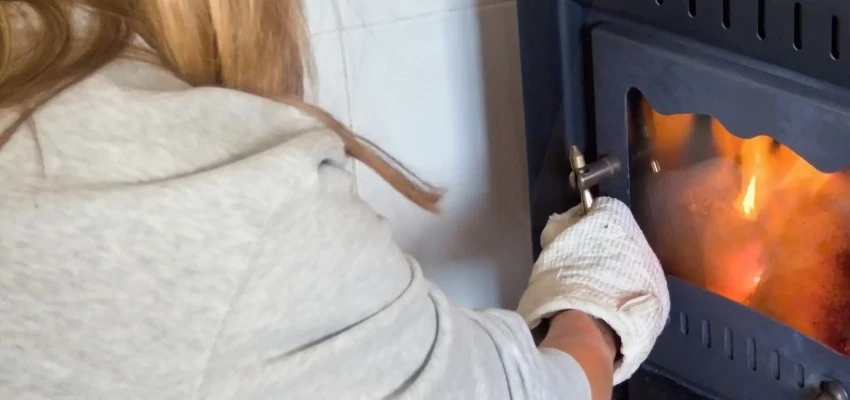
Gas Fireplace Maintenance: a checklist, not a quick wipe