
Chimney care attracts plenty of half-truths: that gas never leaves anything behind, that a roaring fire burns the flue clean, that a sweeping log does the whole job. A search for “soot removal” tends to turn up all of them at once. The answers here sort fact from folklore for anyone in Surrey with a fireplace, stove or other appliance venting through a chimney, and they explain what chimney soot cleanup can and cannot do for yours.

Usually not, so it is worth clarifying. In chimney work, “soot removal” means clearing soot from the flue, smoke chamber and firebox so the system drafts properly. Soot that has spread into a room, for example after a puffback from a furnace or smoke spilling from a fireplace, is a cleaning and restoration job for walls, ceilings and furnishings, and it is often handled by a different kind of company. A chimney technician can, however, find out why the soot escaped, which matters if you want to keep it from happening again.
The obvious signs are noise, smoke and flames at the top, but the ones we look for are what a fire leaves behind. Creosote that has burned swells into a light, porous crust that looks a little like charcoal sponge. Clay tiles crack or shift, metal liners and caps can buckle or turn blue, and the mortar near the top may show heat damage. We sometimes find these marks in chimneys whose owners had no idea anything happened, because a slow fire can burn out on its own. That is why a camera inspection is the usual next step whenever there is any doubt about a past fire.
The smell comes from deposits reacting with moisture, and summer simply supplies more moisture. Creosote is porous, so on muggy days it soaks up water and releases the odor compounds trapped inside it. At the same time, a house with its windows shut and fans running often pulls outside air in through the easiest opening, which is frequently the chimney. We confirm that by feeling for a downdraft at the damper. Musty or rotten smells point elsewhere: water soaking into masonry, leaves decaying on the smoke shelf or an animal that died in the flue. Each cause has a different fix, so identifying it comes first.
Smoke spills in when the draft is weaker than the push of the fire, and we usually trace it to one of a few causes. In tight, well-sealed houses, exhaust fans and dryers create enough suction that the chimney becomes an air intake instead of an exhaust. Short chimneys, nearby trees or a taller roofline beside the stack can disturb the airflow at the top. Inside the flue, heavy creosote, a nest or fallen debris narrows the path. Sometimes the fireplace opening is simply too large for the flue. Finding which one applies takes a look from both ends, and the fix ranges from a habit change to a repair.
The cost of chimney work depends mostly on how many flues are involved, how easy they are to reach and how much each one needs. A single fireplace flue on a low roof costs less than a tall chimney on a steep roof or a building with several flues. Stoves and inserts that must be disconnected take longer. Heavy or glazed creosote, a blockage or an animal problem adds time and sometimes a return visit. Camera inspections, written reports, caps and repairs are often priced separately. Ask for a written quote that lists what is included so you can compare companies fairly.

From the scheduling side, spring and summer give owners the most choice and give us time to handle repairs before the cold arrives. A flue swept right after the last fire of the season also smells better through the muggy months. The rush starts with the first chilly week of fall, and calendars around Surrey fill quickly from there. For businesses with fireplaces or ovens, quieter stretches of their year are usually easier for access as well. We sweep in every season, though. The right time is whenever a problem shows up, and otherwise a fixed month you will remember each year.
Someone should be home, because almost every chimney visit starts and ends at the hearth. The firebox, damper and smoke chamber are reached from inside, and stoves or inserts may need to be opened up. We also prefer to show the owner what we found while the details are fresh, ideally with photos on a tablet or standing in front of the fireplace itself. A trusted neighbor, relative or property manager can stand in if you are at work. For rentals around Surrey, it helps to tell tenants ahead of time that someone will be working on the roof and at the hearth.
Wait until the ashes are completely cold, ideally a couple of days after the last fire. Close nearby doors and turn off fans that could stir the air. Lay down an old sheet, then scoop the ashes gently with a metal shovel into a metal bucket with a lid, lowering each load rather than dropping it. Do not use a regular household vacuum, which pushes fine soot through its filter. Store the bucket outdoors on a non-combustible surface. A careful routine keeps rooms cleaner between visits, while “soot removal” takes care of the flue itself.
Choose a chimney company that explains its process clearly, quotes based on your actual chimney and shows you what it finds. A good company asks about the appliance, the number of flues and the roof before giving a price, and tells you what the visit includes. On the day, the technician should protect the room, contain the soot and explain the condition of the flue, ideally with photos. Read recent reviews for comments on tidiness and honesty. Be cautious with a very low advertised price followed by pressure to approve large repairs on the spot, and get a second opinion before major work.

Whether it is a sound, a stain or something you spotted while cleaning, mention it when you contact us so the technician knows where to start. Describe what you noticed and Chimney Sweep Surrey will follow up about chimney soot cleanup for your home.
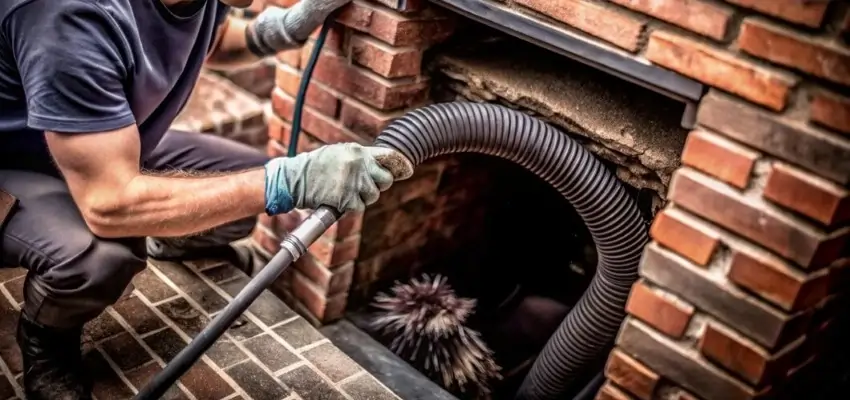
Surrey homeowners: Chimney Cleaning with drop cloths down
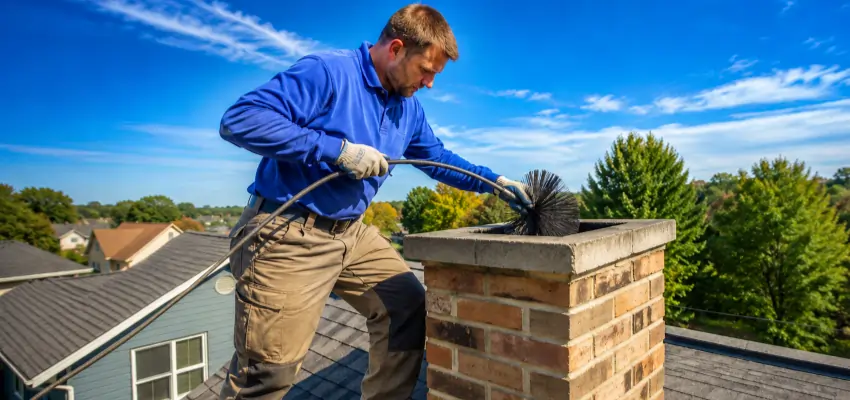
Flue brushed end to end: Chimney Sweep around Surrey
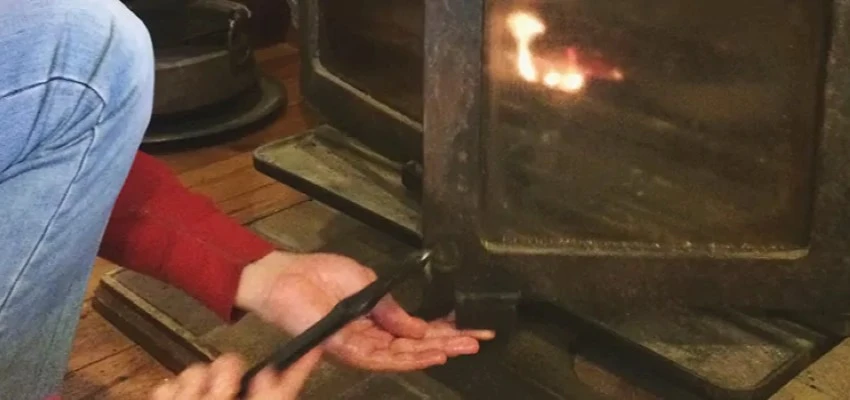
Smoky room or stuck damper? Chimney Sweep Services for Surrey
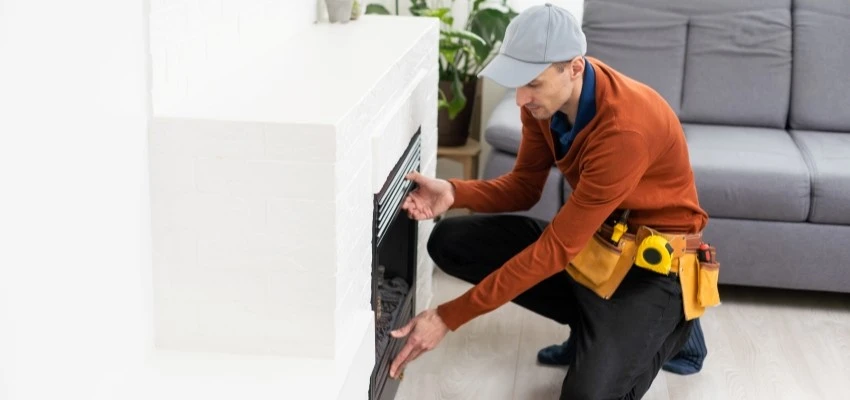
Wood units, stoves and inserts: Fireplace Experts serving Surrey
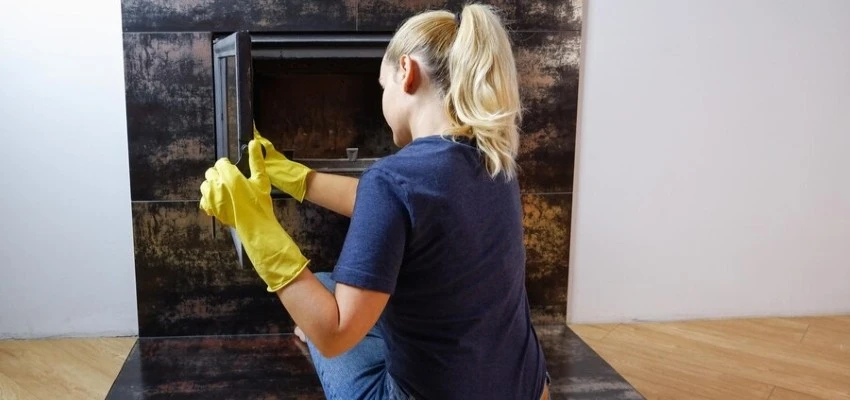
Glass film, cobwebs, dust: Gas Fireplace Cleaning across Surrey
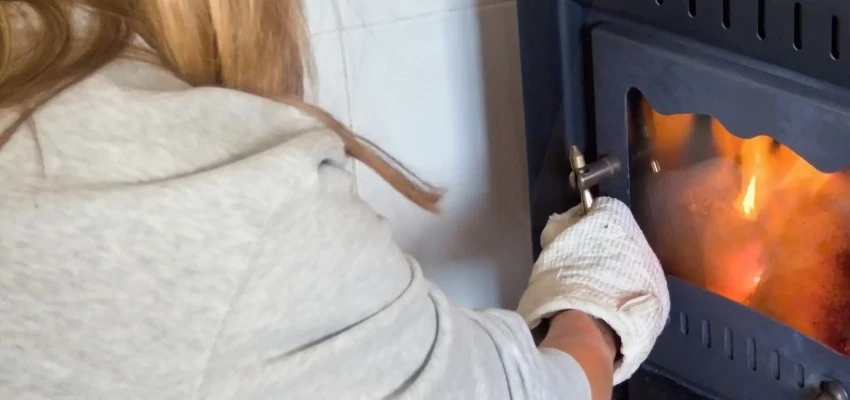
Gas Fireplace Maintenance: a checklist, not a quick wipe

