Maybe you just took over a property with a fireplace nobody explained to you. Maybe you have run the same stove for many winters and never thought much about the flue above it. Either way, looking up “wood stove chimney services” means you are already asking the right questions. This page gathers what people in Surrey usually want to know about wood stove chimney care, explained the way a technician would at your hearth.
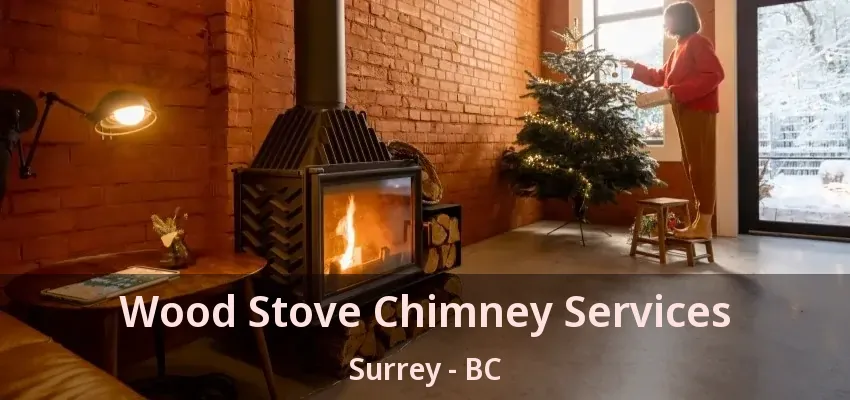
The system starts at the stove’s flue collar, where the connector pipe, often called stovepipe, attaches. That pipe runs to either a wall pass-through or a ceiling support, then joins the chimney itself, which may be a lined masonry flue or an insulated, factory-built metal chimney. At the top, a cap keeps out rain and animals. Each joint and transition is a point where creosote can gather or a seal can fail. Asking for “wood stove chimney services” means caring for every one of those pieces, not just the visible pipe above the stove.
Look for rust spots, discolored or bluish metal, joints that have pulled apart or show gaps, and dark streaks or sticky drips of tar at the seams. Smoke or a smoky smell near the pipe while the stove is burning means something is leaking. A pipe that rattles, sags or has lost its screws also needs attention. Single-wall pipe should keep its proper distance from walls and ceilings. If you notice any of these, let the stove go cold and book wood stove chimney care before relighting, since a failing connector sits close to the hottest part of the system.
Smoke comes back into the room when the chimney cannot pull it upward fast enough, and the usual causes are a cold flue, a partly closed damper or a house that is short of air. Make sure the damper is fully open and start with a small, hot kindling fire so the flue warms gradually. Kitchen and bathroom fans can draw air down the chimney, so switch them off and open a nearby window slightly. Wet wood produces heavy smoke too. If smoke still spills in after those changes, a blockage or a problem with the chimney itself needs a professional look.
Glazed creosote comes off with tools and time, since an ordinary brush glides over it like a broom on ice. We describe creosote in three stages: a loose, sooty layer that brushes away, a crunchy, flaky layer that needs stiffer heads, and a glossy third stage that clings to the liner like candy coating. For that last stage we use rotary heads with chains or cutting blades, spun on a drill and matched carefully to the liner so we do not damage it. Chemical modifiers help too, turning the glaze into a brittle crust we can sweep out later. Each method has limits, so we explain them first.
A wood stove chimney is cleaned by sweeping the stovepipe, the chimney flue above it and the spots inside the stove where soot and creosote gather, all with the stove completely cold. Depending on the setup, the technician may take the pipe apart, sweep through the stove from below or clean from the roof. The baffle plate inside many stoves is lowered or removed so the passage above it can be cleared. Brushes are chosen to suit the chimney, whether a lined masonry flue or an insulated metal chimney. Expect a quick look at the door gasket, the pipe joints and the cap before everything goes back together.
We tell most owners to plan on a yearly visit and let the findings set the sweeping schedule. If we pull out a heavy load after one season, the chimney should be checked sooner next time; if the flue is lightly coated, stretching the interval is reasonable. Fuel and habits matter more than the calendar. Dry hardwood burned hot leaves far less behind than damp wood or a stove turned down overnight, and inserts and stoves often need attention more often than open fireplaces. Keeping a note of each visit and what came out makes the right rhythm for your chimney easy to see.
Someone should be home, because almost every chimney visit starts and ends at the hearth. The firebox, damper and smoke chamber are reached from inside, and stoves or inserts may need to be opened up. We also prefer to show the owner what we found while the details are fresh, ideally with photos on a tablet or standing in front of the fireplace itself. A trusted neighbor, relative or property manager can stand in if you are at work. For rentals around Surrey, it helps to tell tenants ahead of time that someone will be working on the roof and at the hearth.
Preparing for a chimney visit mostly means letting the fireplace or stove cool and clearing space around it. Skip fires for at least a day beforehand so the ashes and flue are cold. Move furniture, rugs, screens and decorations a few feet back from the hearth, and take fragile items off the mantel. Outside, make sure the technician can reach the roof: unlock gates, move vehicles away from the walls where a ladder may go and keep pets indoors. Note anything unusual you have noticed, such as smells, sounds or smoke, and have the date of the last cleaning handy if you know it.
You can reduce creosote buildup mostly by burning dry wood in hot, lively fires. Use firewood that has been split and stacked under cover for several months, longer for dense hardwoods, and consider an inexpensive moisture meter to take the guesswork out. Give the fire enough air instead of letting it smolder, and avoid packing a stove full and shutting the air down overnight. Never burn trash, cardboard, painted or pressure-treated wood, or a holiday tree. Smaller, hotter loads leave less behind than big, smoky ones. These habits will not replace sweeping, but they slow the buildup noticeably.
Tell us your address in Surrey, what you have noticed and when you are usually home. That is all we need to plan wood stove chimney care around your schedule. Send the details and the Chimney Sweep Surrey team will reply with options and a price.
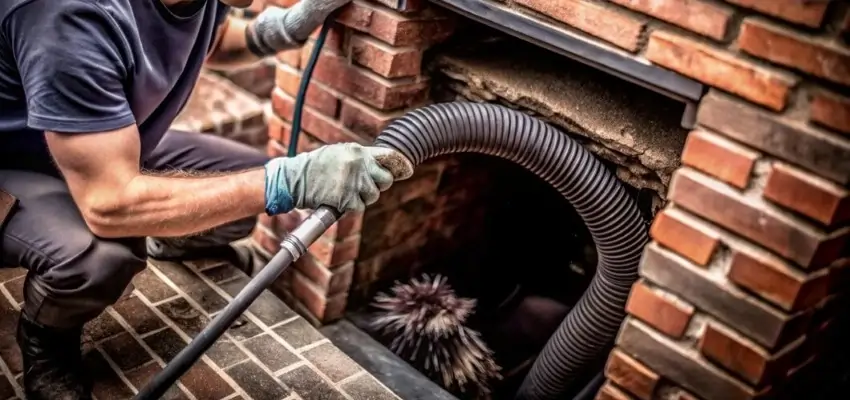
Surrey homeowners: Chimney Cleaning with drop cloths down
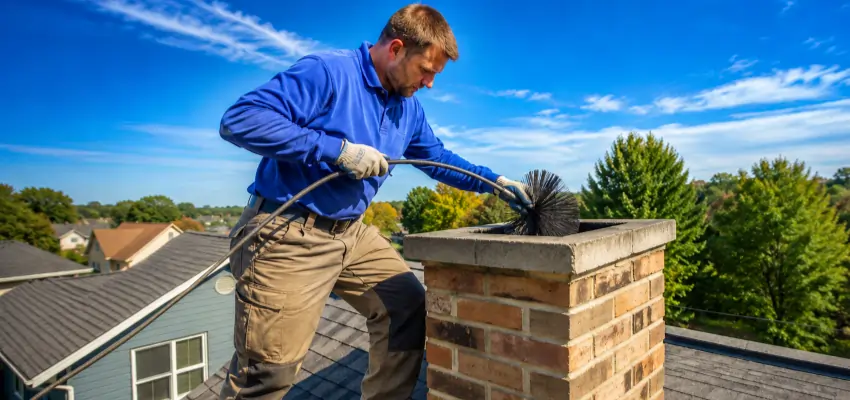
Flue brushed end to end: Chimney Sweep around Surrey
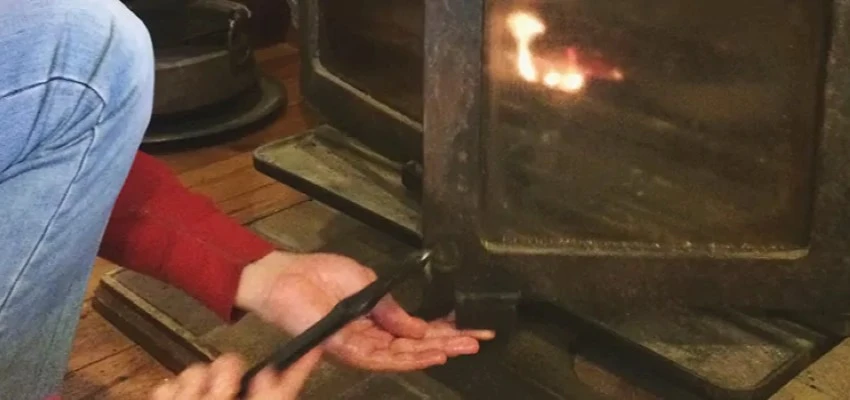
Smoky room or stuck damper? Chimney Sweep Services for Surrey
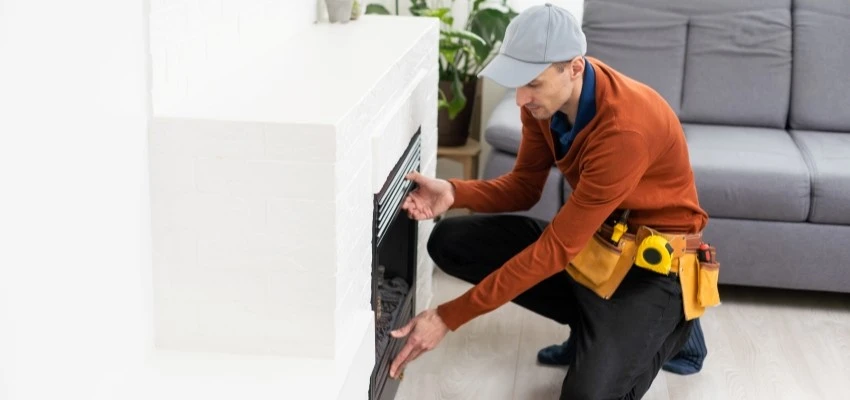
Wood units, stoves and inserts: Fireplace Experts serving Surrey
Glass film, cobwebs, dust: Gas Fireplace Cleaning across Surrey
Gas Fireplace Maintenance: a checklist, not a quick wipe