
Knowing a little about how your wood stove works makes every conversation with a technician easier. Why does creosote form? Which parts wear out? What is worth fixing now? Those threads run through this page, written for homeowners in Surrey who searched for “wood stove cleaning” and prefer to understand wood stove sweeping before deciding anything. Read it as a reference, whether or not you end up booking a visit.
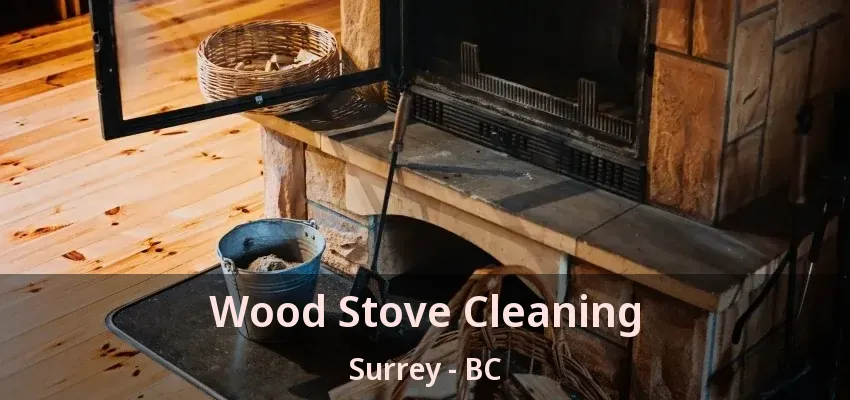
The chimney is the main part of any cleaning we do, and the firebox is only the starting point. Soot settles on every surface the smoke touches, from the damper or stove outlet all the way up to the cap, and the heaviest deposits usually sit just above the fire, where the gases first cool. We brush that entire path, pull the debris down into a contained vacuum, then clear the firebox and the hearth. When a company only scoops ashes and wipes the doors, the part that matters for safety has been skipped, and the next fire runs through the same dirty flue.
Creosote is unburned fuel: tiny droplets of tar and gas that leave the fire, cool on the way up and stick to the flue walls. We grade it by texture on every job. A light, powdery coat brushes away easily. A thicker, flaky or bubbly layer takes more effort and tells us fires are running cool or the wood is wet. A glossy, glazed coating is the one that concerns us, because it is stubborn to remove and burns intensely if it catches. Where we find heavy deposits, we talk through wood and burning habits, since changing those is what slows the next round of buildup.
The main warning signs are smoke escaping into the room, a fire that is hard to control and visible damage to the stove. Watch for smoke leaking around the door or glass, a door that closes without a snug feel, glass that blackens within a single fire and a fire that keeps roaring even with the air control turned down. Cracked or crumbling firebricks, a warped baffle near the top of the firebox and rusted or loose stovepipe sections are also red flags. Because a leaking stove can release carbon monoxide, keep alarms working and stop using the stove until it is checked.
Usually not. The stove normally stays where it is while the chimney is cleaned through its connection, and only the pipe or internal parts are handled. Moving a heavy stove risks scratching the floor, cracking the hearth pad and loosening joints, so technicians avoid it unless the layout leaves no other way, as with some rear-vented stoves tucked into tight alcoves. In those cases the stove is eased forward on protective pads, then set back, reconnected and checked for level and clearance. Mention your stove’s venting setup when booking, so the visit is planned properly.
Cleaning a wood stove covers the stove itself, the stovepipe that connects it to the chimney and the chimney flue. The technician typically removes the ash, lifts or takes out the baffle near the top of the firebox so the deposits behind it can be cleared, and brushes or removes the stovepipe sections, where creosote often collects at elbows. The chimney is then brushed from the top or bottom while a vacuum contains the dust. Door and glass gaskets get a quick check, and the glass is cleaned. Everything is reassembled with the joints snug before the next fire.

A smoky odor is handled by removing the creosote and soot that cause it, then stopping air from carrying what remains into the room. A thorough sweep of the flue and firebox is the first step and takes care of most of the smell. After that, a damper that seals properly, a cap that keeps rain off the deposits and glass doors on an open fireplace all help. Some homeowners leave a tray of baking soda or activated charcoal in the cold firebox during warm months to absorb lingering odor. A sharp or rotten smell points to an animal in the flue instead.
Clean the glass only when the stove is completely cold, using a cleaner made for stove glass or a damp cloth dipped in a little fine wood ash, which works as a gentle polish. Wipe in small circles, then buff with a dry cloth. Avoid abrasive pads, oven cleaners and household glass sprays that are not meant for heat-resistant glass. If the glass blackens quickly after cleaning, the stove is likely running too cool or burning damp wood. Many people who search for “wood stove cleaning” are really after clear glass, and better burning habits keep it that way longer.
Remove ashes only when they are completely cold, using a metal shovel and a metal container with a tight lid. Ashes can hide live embers for several days, so wait well after the last fire and stir them gently to check for warmth. Set the closed container outside on a non-combustible surface, away from the house, decks and anything that burns, and never put ashes in a paper bag, plastic bin or household vacuum. In an open fireplace, a thin bed of ash can help the next fire, while stoves need more regular emptying so air can reach the coals.
Everyday upkeep is a homeowner job, but sweeping and inspecting the chimney are better left to a professional. Safe tasks include removing cold ashes, cleaning glass doors with a product made for fireplace or stove glass, keeping the hearth area clear, checking that the damper opens and closes and testing smoke and carbon monoxide alarms. Brush kits are sold, but they cannot tell you whether the liner is cracked, the smoke chamber is coated or the cap is damaged, and climbing onto a roof brings its own risk. A professional visit includes a look at the parts you cannot see.

A few details help us plan the right visit:
Send us your details and we will reply with next steps for wood stove sweeping in Surrey.
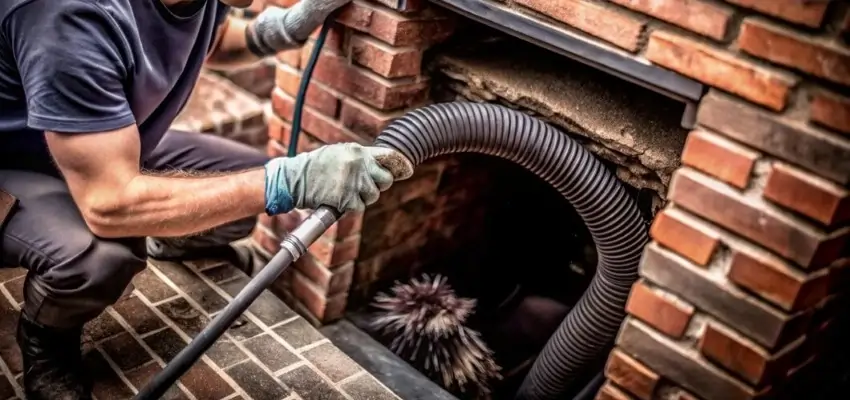
Surrey homeowners: Chimney Cleaning with drop cloths down
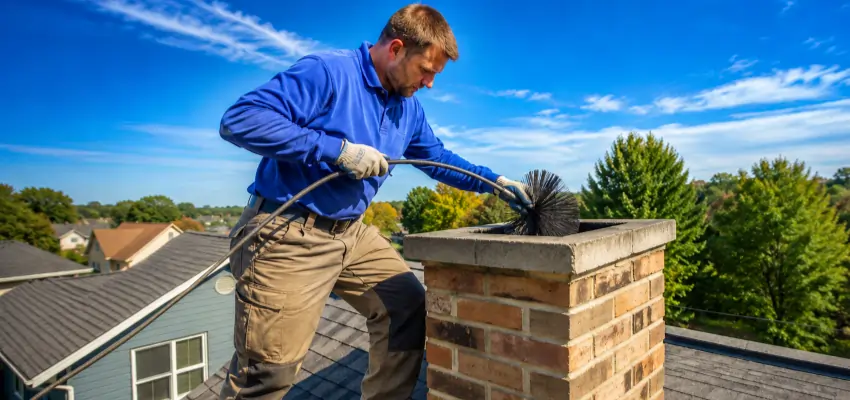
Flue brushed end to end: Chimney Sweep around Surrey
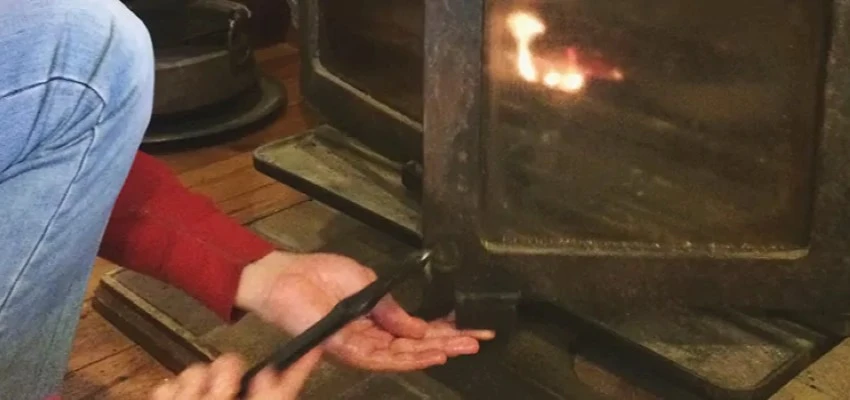
Smoky room or stuck damper? Chimney Sweep Services for Surrey
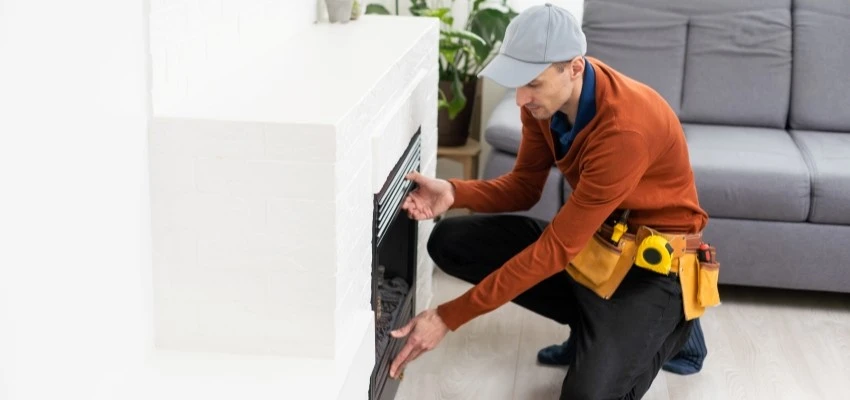
Wood units, stoves and inserts: Fireplace Experts serving Surrey
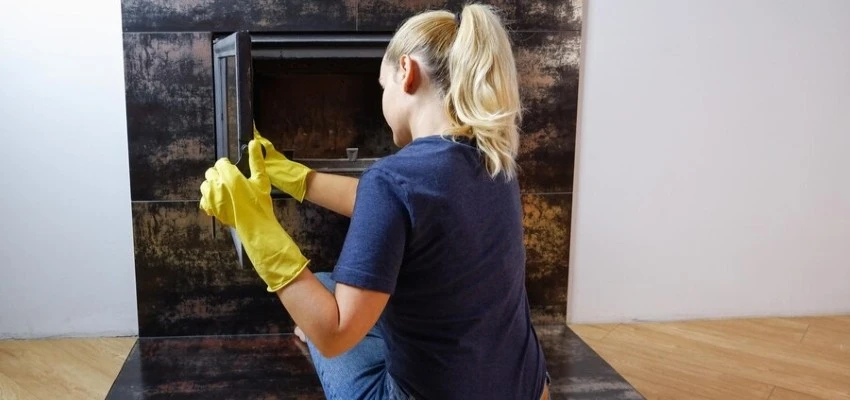
Glass film, cobwebs, dust: Gas Fireplace Cleaning across Surrey
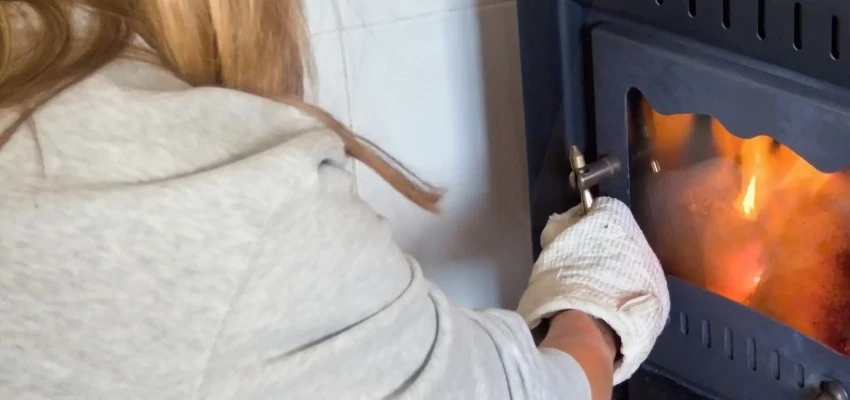
Gas Fireplace Maintenance: a checklist, not a quick wipe

